Work with music that interests you
Start with a song you actually listen to. Bring a favourite track, choose a short section and explain what you would like to sing. Your taste in music is a useful starting point for a conversation with the teacher.
Work with music that interests you. Discuss your experience, favorite songs and a clear goal with the coach.

Start with a song you actually listen to. Bring a favourite track, choose a short section and explain what you would like to sing. Your taste in music is a useful starting point for a conversation with the teacher.
You do not have to sound like your favourite artist on the first try. Work on the tune, words and delivery separately, then put the phrase together and explore what suits your own voice.
Find a place where you can try things and make mistakes comfortably. If you want to record a cover or prepare for a performance, mention it early so you can choose a song and a clear task for the session.
Discuss the sequence with the teacher around your own learning task.
Discuss what you want to sing and why.
Choose manageable activities for your current voice.
Explore a passage and its phrasing.
Agree on a short, clear next task.

I'm Daria, a vocal pedagogue and singer. I work with the science-based CVT (Complete Vocal Technique) methodology, having completed both basic and advanced levels through the CVT Voice Academy. I'm a member of the international voice and vocal teaching association DIVA&IN. In my work I combine technique with a psychological approach — helping students release tension, discover their natural timbre, and build a solid vocal foundation so you can sing freely, confidently, and with joy.
An interesting song and a clear task give the session a purpose. Check audio and discuss workload and parent involvement; latency means working in turns rather than singing simultaneously.
Choose a lesson. We will confirm the time and details after your request.
The video could not play. Check your connection or open the file separately.
Open video ↗ Songs for Your First Vocal Lesson: Top 10 Beginner-Friendly TracksWhat song should you choose for your first vocal lesson? The most important thing is not difficulty or impressive high notes, but a song you genuinely enjoy and that lets the teacher hear your natural voice.
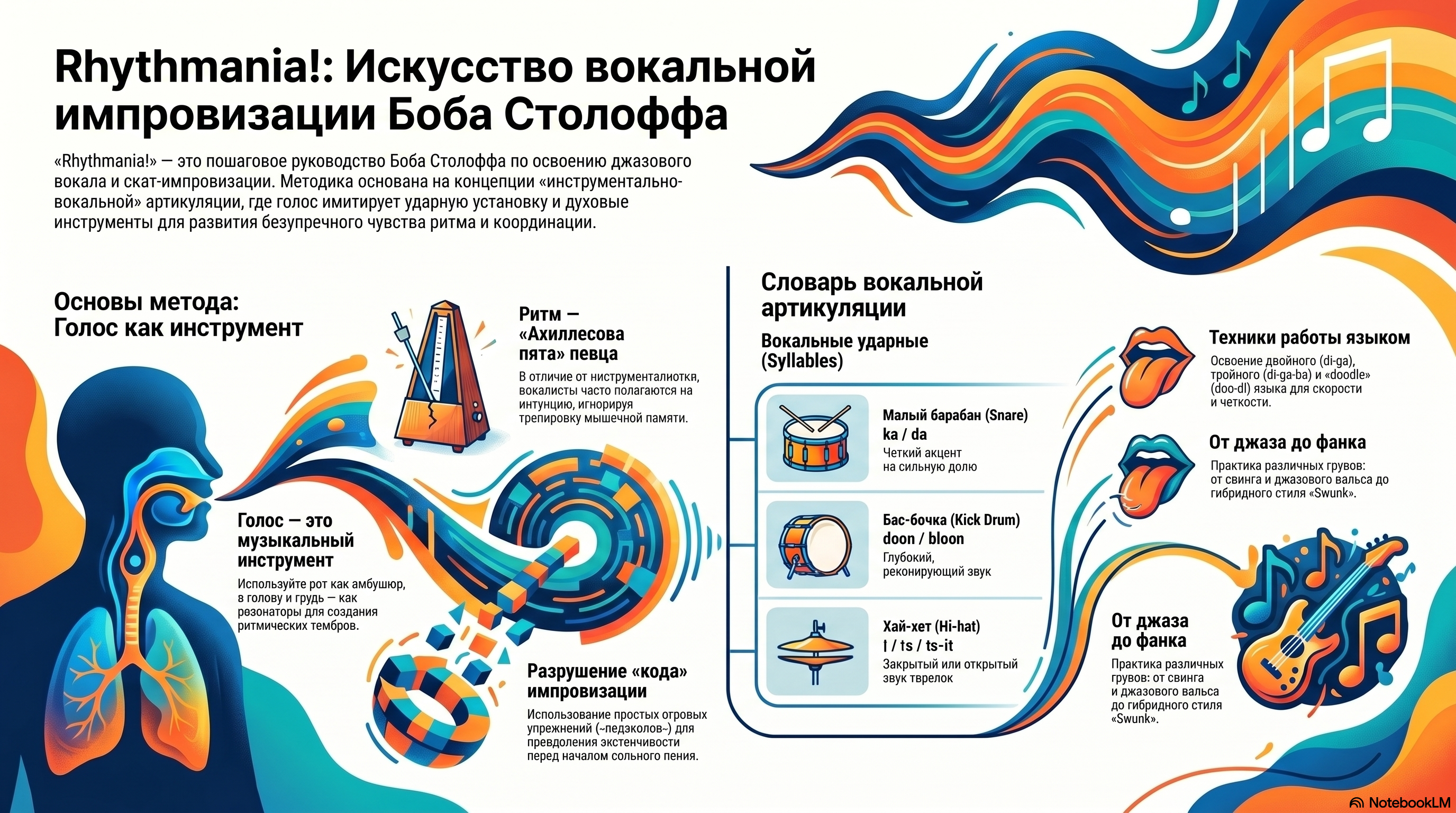 Rhythm for Vocalists: A Beginner's FoundationRhythm is the skeleton of every song — even the most beautiful voice falls apart if it doesn't sit on the beat. This material walks beginner singers and musicians through the core idea of pulse, simple practice exercises
 How to Sing Beautifully: A Beginner-Friendly GuideA practical beginner’s guide to developing your voice, breath coordination, pitch, and vocal freedom safely and without unnecessary tension.All materials →
Suggest music that interests you. Discuss a manageable excerpt and learning task with the teacher; not every song suits every stage.
Describe how your voice feels and any changes you notice. Discuss tasks and workload individually, without promises of a fixed range or rapid results; a singing lesson does not replace medical advice.
Agree on parent involvement, payment and communication before starting. Discuss the goal with the teen too: interest in a song and a clear task help give the session a purpose.
For a first introduction to singing, explore the from-scratch page. If you have sung independently or taken a few lessons, compare it with the beginners page and tell the teacher about your experience.
Discuss the material, date and what you can already do. The plan depends on your starting point and available time; an event does not imply a guaranteed result or an automatically available dedicated course.
Tell us what you would like to sing and work on. Leave a convenient contact method so we can discuss your goal and find a time.
A request does not confirm a booking. We will agree the schedule and lesson details with you personally.
Find a format for your age, experience and goal.
Choose an interesting track and a short passage to work on. Explore the tune, words and delivery separately, then bring them together in a phrase suited to your current experience.