Explore music through clear activities
We start with music your child enjoys: a short phrase to listen to, a rhythm to copy and a familiar bit of a song to sing. Small tasks make it easier to settle in and get to know the teacher.
Explore singing through clear tasks and favorite songs. Discuss your child’s age and readiness for video lessons with the coach.
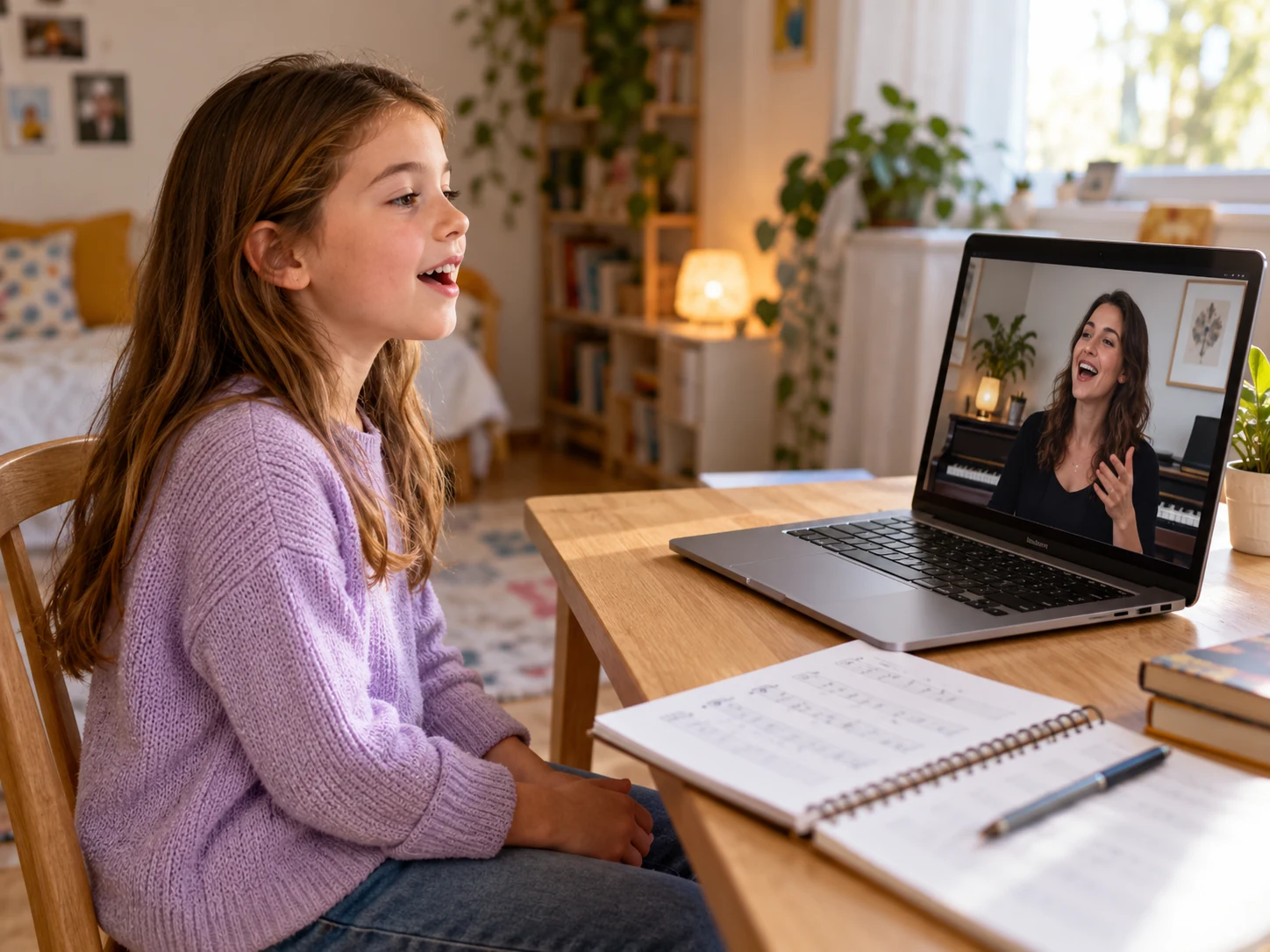
We start with music your child enjoys: a short phrase to listen to, a rhythm to copy and a familiar bit of a song to sing. Small tasks make it easier to settle in and get to know the teacher.
There is no need to sing a whole song straight away. Your child can try the rhythm, speak the words and then add the tune. The activities change, while a favourite song gives the lesson a clear focus.
Help position the camera and check the sound at the start, then give your child room to try things independently. Before you finish, ask what went well and which small task you can repeat at home.
Discuss the sequence with the teacher around your own learning task.
Meet the teacher and settle into the session.
Explore a manageable rhythm or sound task.
Work on an excerpt that interests your child.
Discuss what you tried and what to explore next.
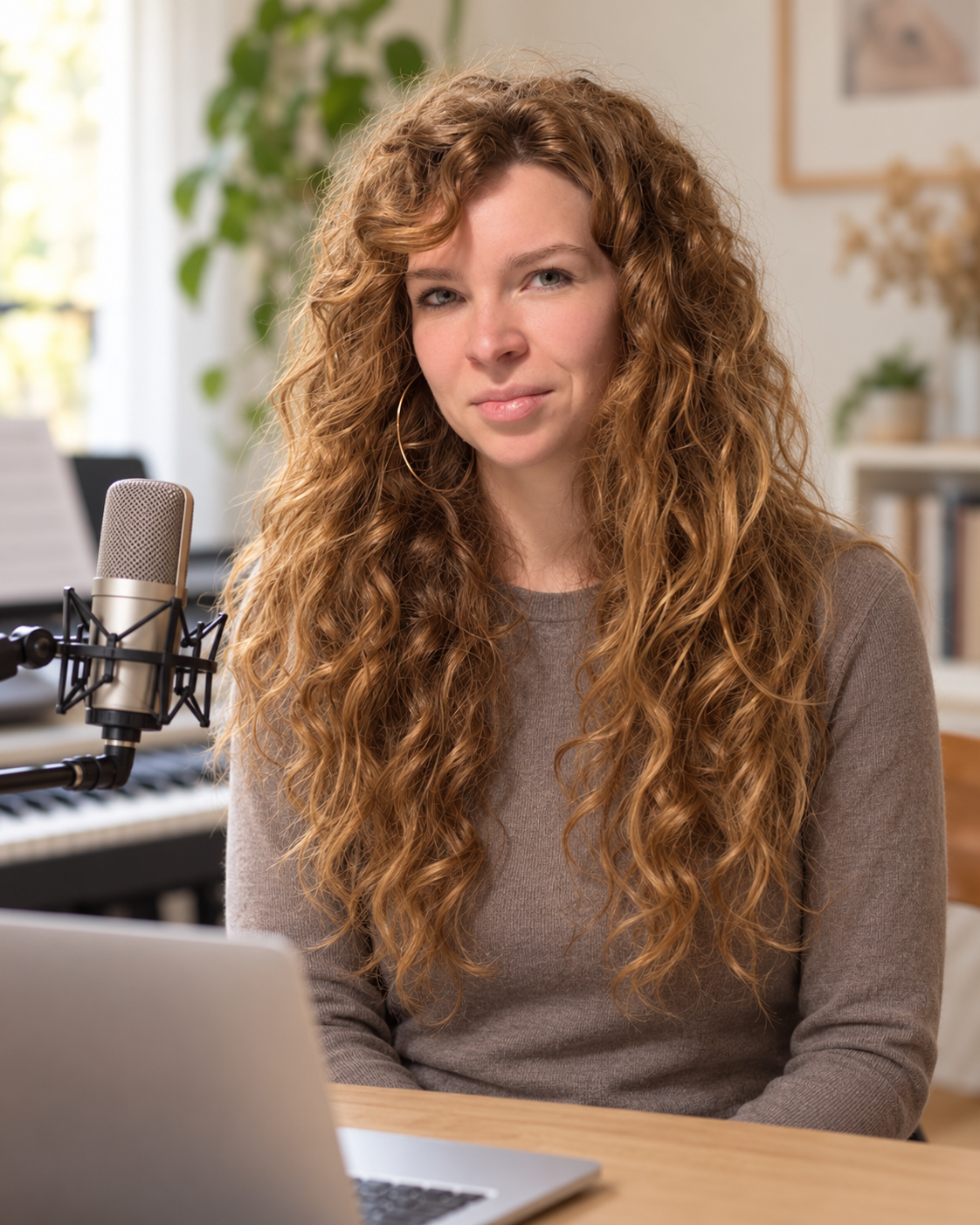
I'm Daria, a vocal pedagogue and singer. I work with the science-based CVT (Complete Vocal Technique) methodology, having completed both basic and advanced levels through the CVT Voice Academy. I'm a member of the international voice and vocal teaching association DIVA&IN. In my work I combine technique with a psychological approach — helping students release tension, discover their natural timbre, and build a solid vocal foundation so you can sing freely, confidently, and with joy.
Children need clear, short activities and help connecting when needed. Check audio and camera placement, and agree on adult involvement; suitability for video lessons is individual.
Choose a lesson. We will confirm the time and details after your request.
The video could not play. Check your connection or open the file separately.
Open video ↗ Online Vocal Lessons for Children: How Lessons Work and Parent MythsOnline music education is no longer a compromise. Today it can be a complete, comfortable, and effective way to develop a child's voice without extra travel, rushing, or stress.Vocal lessons from home help families keep
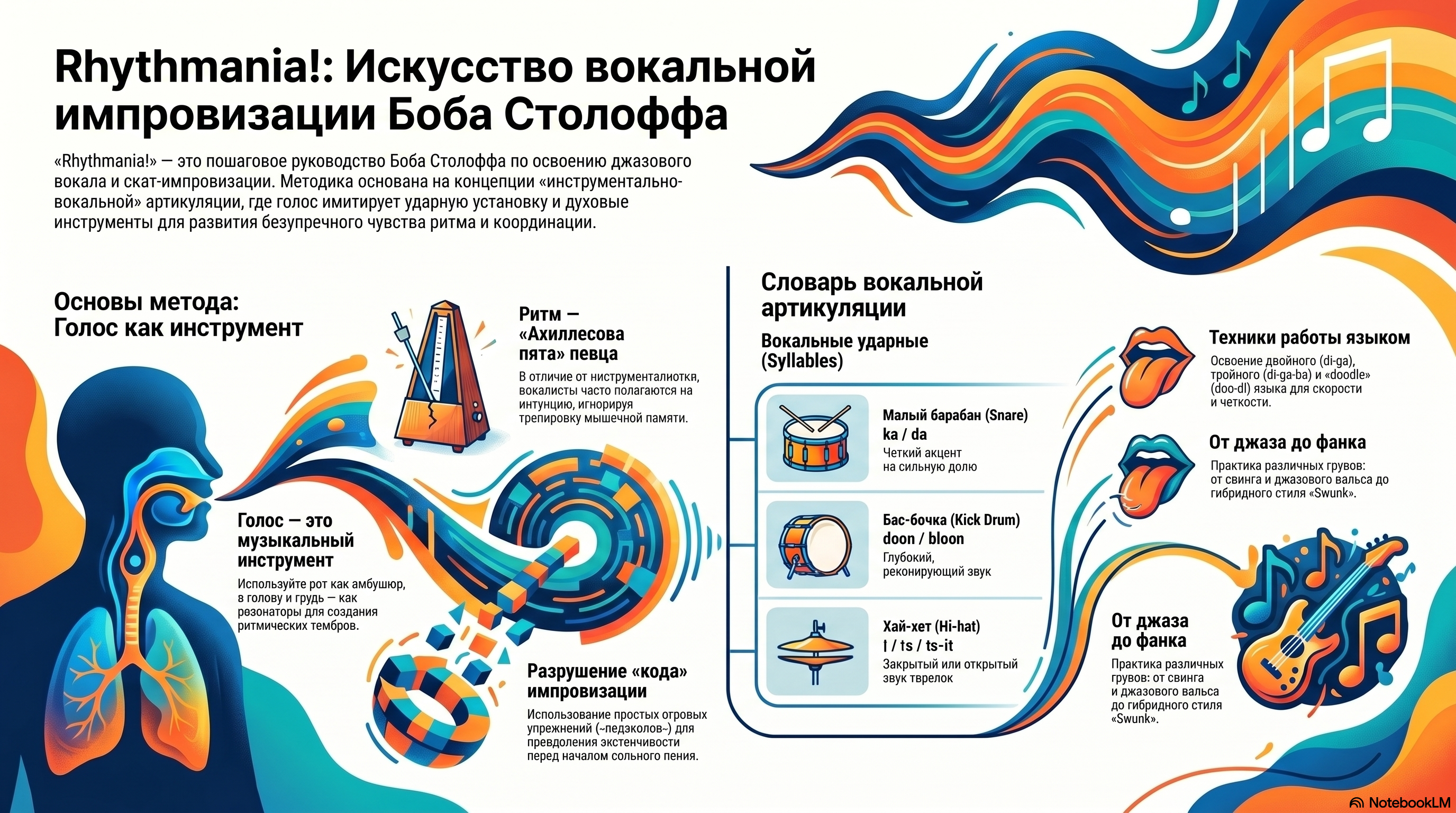 Rhythm for Vocalists: A Beginner's FoundationRhythm is the skeleton of every song — even the most beautiful voice falls apart if it doesn't sit on the beat. This material walks beginner singers and musicians through the core idea of pulse, simple practice exercisesFun diction warm-upA fun diction warm-up: a short exercise for clearer articulation and warming up the speech apparatus.All materials →
Discuss your child’s age, interest in singing and independence before booking. Readiness to follow activities over video matters; the teacher can confirm the supported ages and a suitable session length.
Adult involvement depends on age and independence. Agree in advance who will help with the connection and stay nearby so technical issues do not interrupt the activity.
Mention this during the introduction. Discuss shorter, varied activities and session length; if video calls do not suit your child, one lesson format will not solve every difficulty.
Tell the teacher the song in advance. You can discuss a manageable excerpt: musical interest matters, but the difficulty of the whole song should not determine the demands of a first session.
Set the camera on a stable surface, test the sound and reduce distractions. Your child should be able to see the teacher and follow activities comfortably; agree on adult involvement and preparation before the session.
Tell us what you would like to sing and work on. Leave a convenient contact method so we can discuss your goal and find a time.
A request does not confirm a booking. We will agree the schedule and lesson details with you personally.
Find a format for your age, experience and goal.
A lesson can explore short phrases, rhythm and the words of a favorite song. Help check the camera and sound, then agree with the teacher on adult involvement and a suitable session length.