A first step without an audition
You do not need to read music or prepare a performance for your first lesson. Talk about the music you enjoy and try a short familiar phrase. That gives the teacher a starting point for getting to know your voice.
Never taken singing lessons? Start by meeting the coach, discussing your goal and exploring manageable first tasks.

You do not need to read music or prepare a performance for your first lesson. Talk about the music you enjoy and try a short familiar phrase. That gives the teacher a starting point for getting to know your voice.
The first tasks can be small: copy a rhythm, sing a few notes or work through one line. What matters is knowing what you are trying and what to listen for in your singing.
Choose a simple song you enjoy and agree on a manageable section with the teacher. Between lessons, return to one clear task. Keep a note of questions or difficult moments to discuss next time.
Discuss the sequence with the teacher around your own learning task.
Talk about why you want to start singing.
Check audio, camera and Zoom settings.
Try a manageable first activity.
Clarify what to try after the introduction.
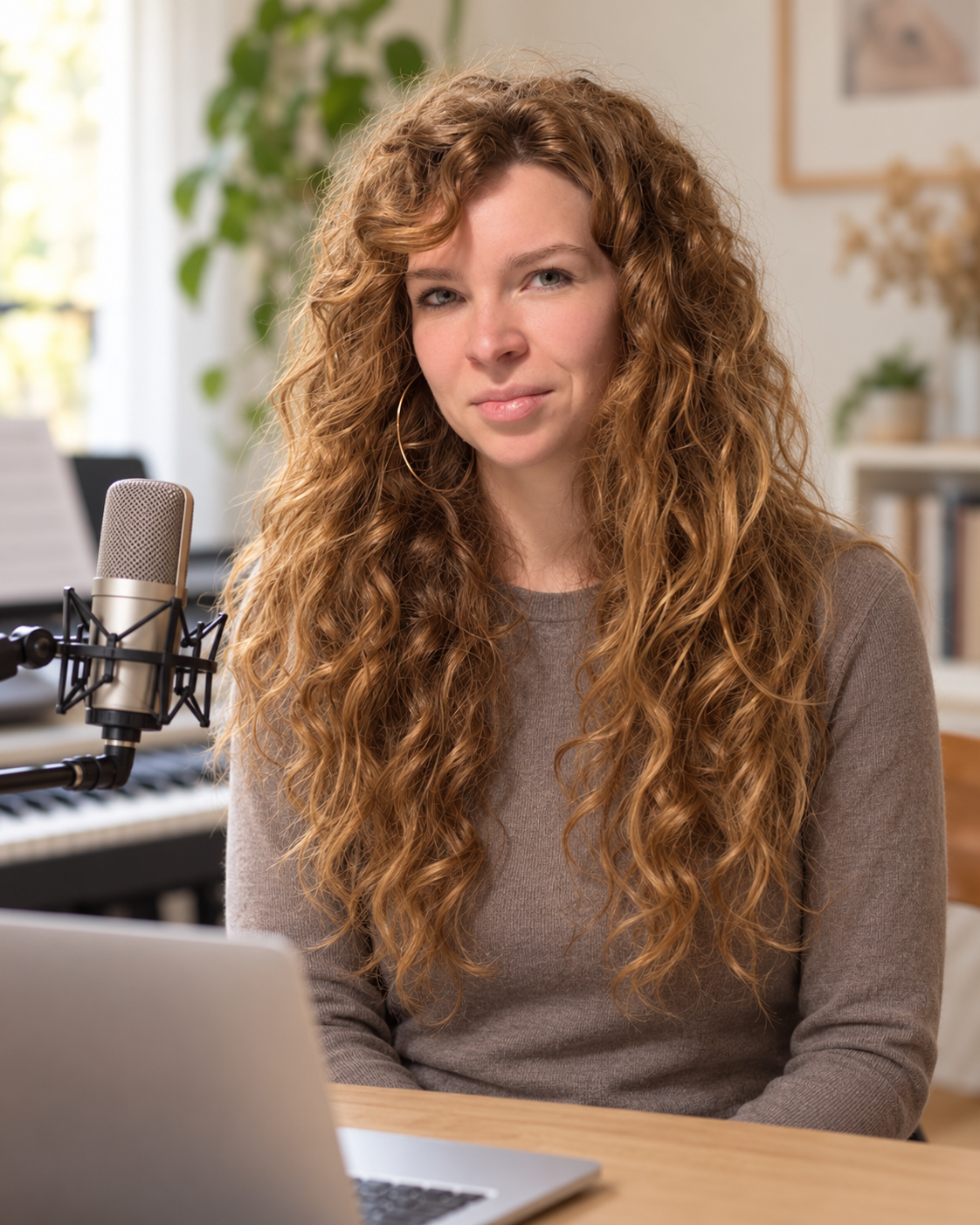
I'm Daria, a vocal pedagogue and singer. I work with the science-based CVT (Complete Vocal Technique) methodology, having completed both basic and advanced levels through the CVT Voice Academy. I'm a member of the international voice and vocal teaching association DIVA&IN. In my work I combine technique with a psychological approach — helping students release tension, discover their natural timbre, and build a solid vocal foundation so you can sing freely, confidently, and with joy.
Start with a connection check and a manageable task. Test your current sound before buying equipment; demonstrations and repetitions happen in turns, and the first session helps you assess the format.
Choose a lesson. We will confirm the time and details after your request.
The video could not play. Check your connection or open the file separately.
Open video ↗ How to learn to sing from scratch: a simple guide for future vocalistsAny adult can learn to sing, regardless of age or starting level. The voice is not a closed club for the chosen few, but a physiological instrument that can be trained carefully and consistently.Let us look at the mechan
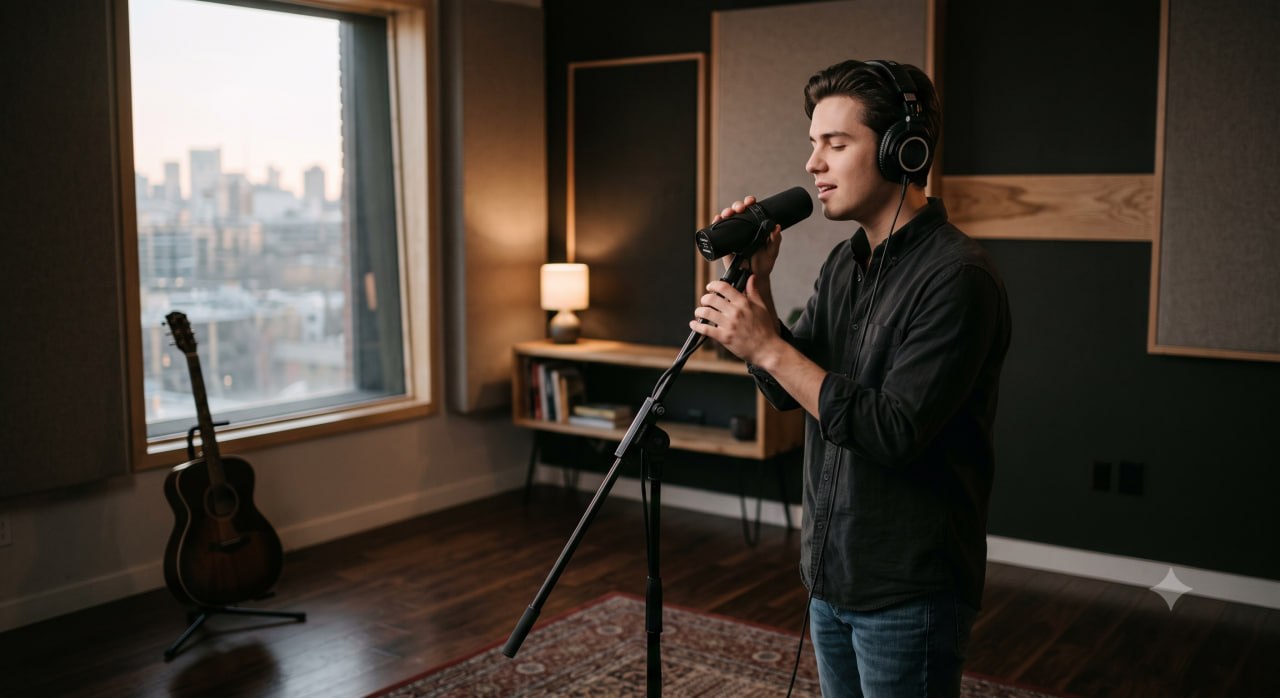 Songs for Your First Vocal Lesson: Top 10 Beginner-Friendly TracksWhat song should you choose for your first vocal lesson? The most important thing is not difficulty or impressive high notes, but a song you genuinely enjoy and that lets the teacher hear your natural voice.
 Online Vocal Lessons: Price, Format, and How to Choose a TeacherWhat affects the price of online vocal lessons, what individual lessons include, who online vocal training suits, and how to choose the right vocal teacher.All materials →
Tell the teacher if notation is unfamiliar. Confirm the starting requirements before booking: the first task should be understandable, and new terms should relate to something you are doing.
You can name a favorite song and explain why you want lessons. Check the preparation in advance; you do not need to teach yourself a difficult piece just to discuss getting started.
This page is about a first introduction when you have no experience. The beginners page covers basic skills after self-study or a few lessons; age is a separate consideration.
Discuss your goal and experience, check the connection and try a manageable task. The aim is to understand the next step and whether the format suits you, rather than prove your ability in an exam.
First check your existing camera-equipped device, microphone and internet. Find a quiet space and confirm preparation with the teacher; avoid buying studio equipment before testing your current sound.
Tell us what you would like to sing and work on. Leave a convenient contact method so we can discuss your goal and find a time.
A request does not confirm a booking. We will agree the schedule and lesson details with you personally.
Find a format for your age, experience and goal.
If you have never learned to sing, begin with a connection check and an introduction to the teacher. Try a manageable task, ask about unfamiliar terms and clarify what to do after the first session.