Build on what you have already tried
If you have already tried singing, bring a song you are working on. You do not necessarily need to start again: show what feels comfortable and explain where you get stuck. That helps shape the lesson.
Tried singing independently or taken a few lessons? Discuss your current tasks and build structured practice around songs.

If you have already tried singing, bring a song you are working on. You do not necessarily need to start again: show what feels comfortable and explain where you get stuck. That helps shape the lesson.
Connect exercises to music. You might work separately on rhythm, diction or a transition, then return to the song. This makes it easier to understand the task and use it in your singing.
You do not have to fix everything in one session. Choose one section and a clear practice focus with the teacher. Return to it next time, listen to the result and decide what needs attention next.
Discuss the sequence with the teacher around your own learning task.
Discuss what you have already tried.
Explore a specific listening, rhythm or technique task.
Connect the task with a musical phrase.
Agree on what to revisit next time.
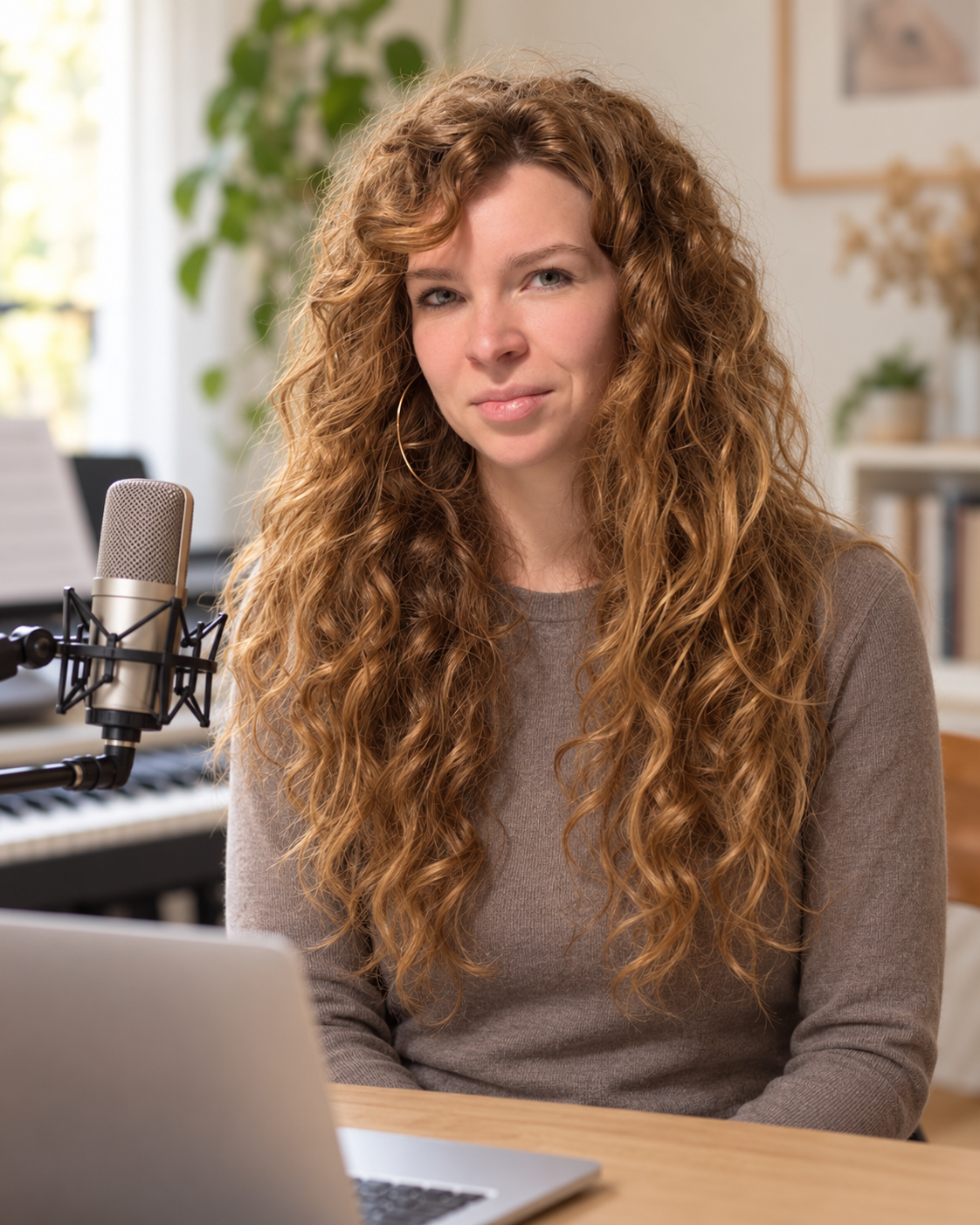
I'm Daria, a vocal pedagogue and singer. I work with the science-based CVT (Complete Vocal Technique) methodology, having completed both basic and advanced levels through the CVT Voice Academy. I'm a member of the international voice and vocal teaching association DIVA&IN. In my work I combine technique with a psychological approach — helping students release tension, discover their natural timbre, and build a solid vocal foundation so you can sing freely, confidently, and with joy.
A short passage, specific feedback and repetition help connect an exercise with a song. Compare the task rather than a promised outcome; play backing tracks locally because of connection delay.
Choose a lesson. We will confirm the time and details after your request.
The video could not play. Check your connection or open the file separately.
Open video ↗ How to Sing Beautifully: A Beginner-Friendly GuideA practical beginner’s guide to developing your voice, breath coordination, pitch, and vocal freedom safely and without unnecessary tension.
 Exercises for Diction and Voice: A Daily Practice PlanImprove diction, articulation, breath support, and vocal clarity with a practical 15–20 minute daily routine from Music Lab voice coaches.
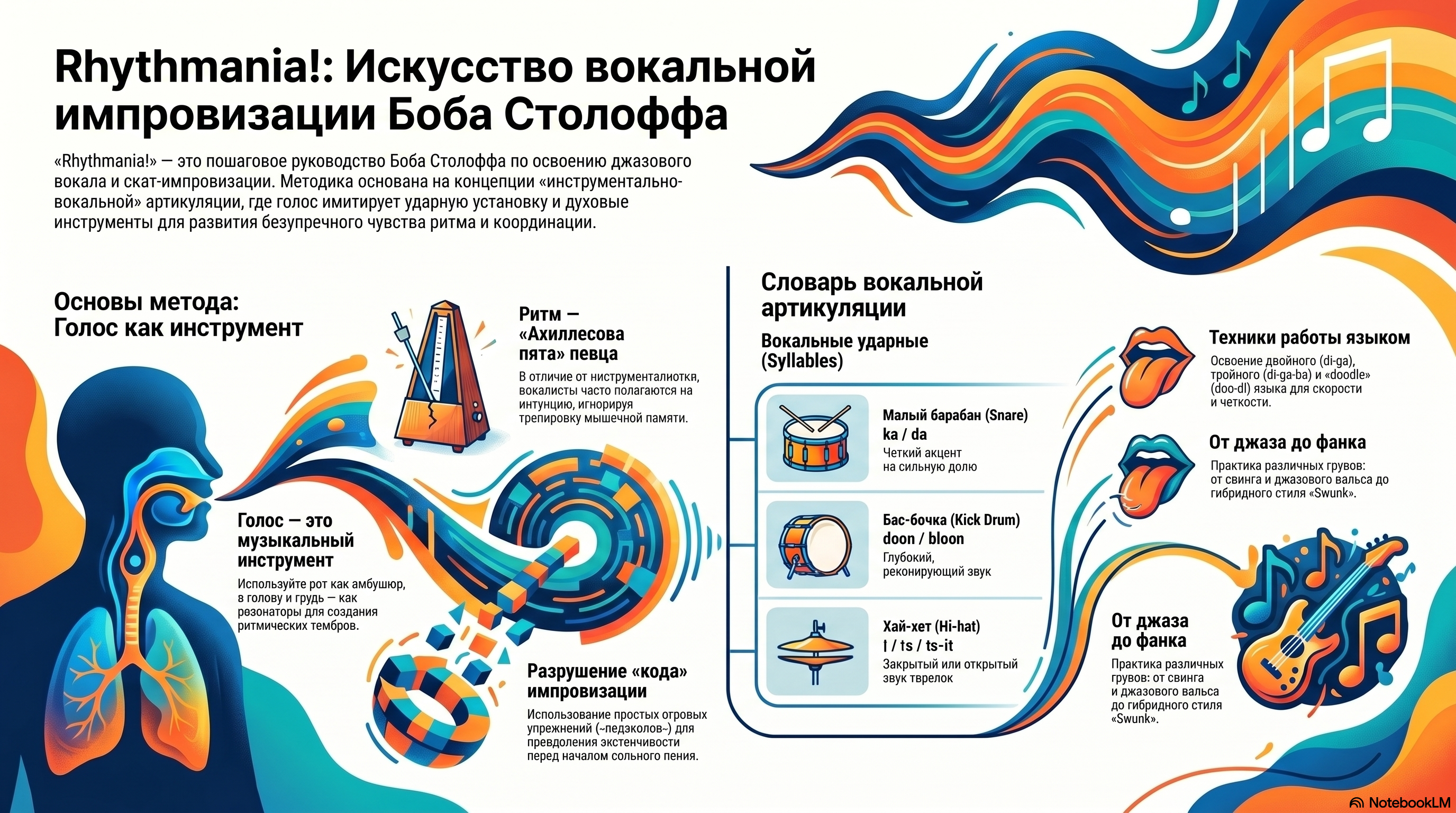 Rhythm for Vocalists: A Beginner's FoundationRhythm is the skeleton of every song — even the most beautiful voice falls apart if it doesn't sit on the beat. This material walks beginner singers and musicians through the core idea of pulse, simple practice exercisesAll materials →
Describe how you practiced, what feels manageable and what still raises questions. This helps identify current tasks rather than give everyone an identical start; you can discuss sharing a short recording with the teacher.
There is no universal timeline. The next step depends on the tasks, practice and feedback; a course duration applies only to an actual published program.
Focused listening and rhythm, clear technical tasks, phrasing and lyrics, then applying them to a song. Discuss the sequence around your experience and goals rather than follow a universal deadline.
Agree on a short passage and a specific task. Return to it in the next session; ongoing messaging and recording reviews are not assumed unless they are included in the offer.
Compare the same task or passage and discuss specific feedback. Make comparison recordings only with permission; a number of lessons does not guarantee a wider range or readiness to perform.
Tell us what you would like to sing and work on. Leave a convenient contact method so we can discuss your goal and find a time.
A request does not confirm a booking. We will agree the schedule and lesson details with you personally.
Find a format for your age, experience and goal.
If you have practiced independently, describe what feels manageable and what still raises questions. Connect rhythm, diction and phrasing with a specific song and a small task to revisit.