Vocal Support and Breathing: Stop Throat Tension and Sing Freely
Everyone who begins singing eventually hears the phrase “sing with support.” But what does that mean in practice, and how can you develop breath control for singing so your voice sounds powerful and free—without pain or tightness in the throat?
In simple terms, vocal support is conscious control of the outgoing airflow while you sing. Its purpose is to prevent the breath from escaping too quickly, so the voice can stay steady without the throat taking over the work.
How Diaphragmatic Breathing Creates Vocal Support
Many singers think support means holding the abdominal muscles in a rigid brace. In reality, it is a smooth, continuous coordination. When you learn how to breathe properly while singing, you give the voice a safe and reliable foundation.
To understand how to sing with support, think of keeping the lower ribs comfortably expanded while the body regulates the exhale. Three muscle groups contribute to this coordination:
Abdominal muscles
They gradually draw the abdominal wall inward around the navel as you exhale, without jerking or hard bracing.
Latissimus dorsi muscles
These broad back muscles help you maintain expansion around the back and sides of the rib cage.
Quadratus lumborum muscles
They provide gentle resistance through the lower back and help balance the work of the abdominal muscles.
When these areas coordinate, the body carries the physical workload instead of forcing the throat to do it. Efficient breathing for singing reduces unnecessary tension around the vocal folds and helps the voice stay steady, sustained, and resonant.
Theory Lesson: How Vocal Support Works
Watch the theory first to understand how vocal support coordinates the breath, ribs, abdomen, and back before moving on to the practical exercises below.
Video Lesson: How to Breathe Properly While Singing and Feel Vocal Support
Use this short demonstration to notice lower-rib expansion and a controlled, unforced exhale.
Continue with the second practical example and compare the feeling of support with throat tension.
Simple Breathing Exercises for Singing
To feel how vocal support works in your own body, try these steps now:
- Rib control. Place your hands on the sides of your rib cage. Inhale so the ribs gently move your hands outward. As you exhale, avoid letting the chest collapse immediately.
- Abdominal coordination. Exhale softly on a long “sss” and notice how the abdominal muscles gradually draw inward without sudden movements.
- Transfer the feeling to sound. Sing one comfortable note while keeping the ribs open and the abdominal wall responsive rather than rigid.
Trial lesson
Want to understand what your voice can do?
Book a diagnostic trial lesson with a teacher: we’ll listen to your voice, highlight your next steps, and suggest a clear plan. It costs nothing and doesn’t commit you to anything.
No payment, no pressure
Related materials

Why Your Voice Shakes When Singing: Physiology and How to Stop It
When a singer sustains a long note and the sound begins to vibrate or break involuntarily, audio-analysis software may detect abnormal jitt…


How to learn to sing from scratch: a simple guide for future vocalists
Any adult can learn to sing, regardless of age or starting level. The voice is not a closed club for the chosen few, but a physiological in…

How to speak with a loud, strong voice: a guide for future speakers
A practical guide to speaking loudly without shouting: breath support, bright resonance, jaw freedom, and safe exercises for speakers.

Singing Lessons for Adults: How to Start from Scratch and Stop Feeling Shy
Can you start vocal training as an adult? This guide addresses common beginner fears, explains how modern singing lessons work, and explore…

How to Learn Jazz Singing Remotely: Online Vocal Guide for Beginners
A beginner-friendly guide to learning jazz vocals online: technique, rhythm, scat, microphone work, and practice with legendary standards.
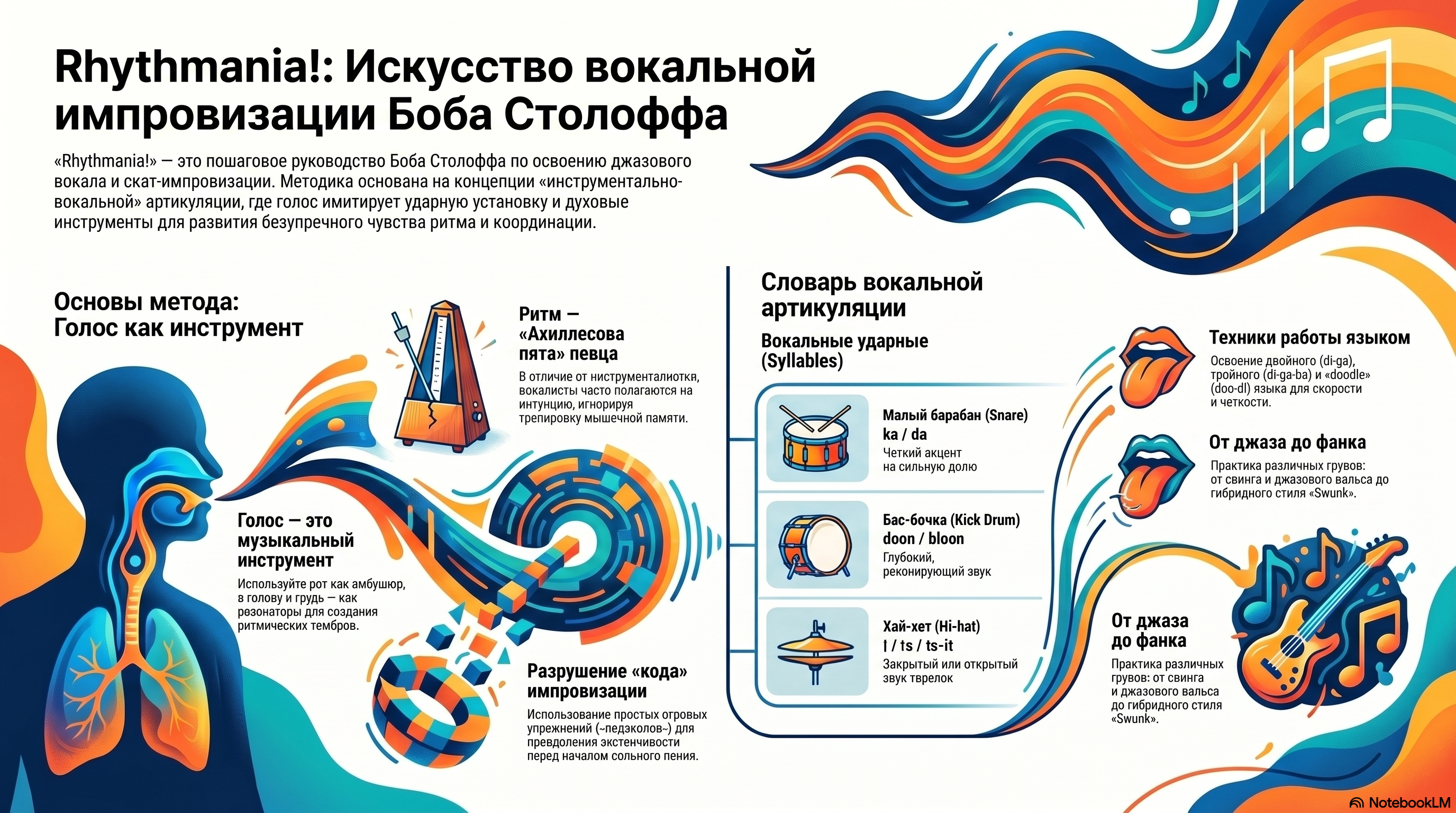
Rhythm for Vocalists: A Beginner's Foundation
Rhythm is the skeleton of every song — even the most beautiful voice falls apart if it doesn't sit on the beat. This material walks beginne…