Вокальная опора и дыхание: как снять напряжение в горле и петь свободно
Каждый, кто начинает петь, рано или поздно слышит фразу «пой с опорой». Но что это значит на практике и как развить контроль дыхания для пения, чтобы голос звучал мощно и свободно — без боли и зажима в горле?
Если коротко, вокальная опора — это осознанное управление выходящим потоком воздуха во время пения. Её задача — не дать дыханию «утечь» слишком быстро, чтобы голос оставался устойчивым, а горло не брало всю работу на себя.
Как диафрагмальное дыхание создаёт вокальную опору
Многие вокалисты думают, что опора — это жёстко «зажать» мышцы живота. На самом деле это плавная, непрерывная координация. Когда вы учитесь правильно дышать во время пения, голос получает безопасную и надёжную основу.
Чтобы понять, как петь с опорой, представьте, что нижние рёбра остаются комфортно раскрытыми, пока тело дозирует выдох. В этой координации участвуют три группы мышц:
Мышцы живота
Они постепенно подтягивают брюшную стенку внутрь в области пупка на выдохе — без рывков и жёсткого зажима.
Широчайшие мышцы спины
Эти широкие мышцы помогают сохранять расширение в задней и боковой части грудной клетки.
Квадратные мышцы поясницы
Они дают мягкое сопротивление в нижней части спины и помогают сбалансировать работу мышц живота.
Когда эти зоны работают согласованно, физическую нагрузку берёт на себя тело, а не горло. Эффективное дыхание для пения снижает лишнее напряжение вокруг голосовых складок и помогает голосу оставаться устойчивым, протяжённым и резонансным.
Теория: как работает вокальная опора
Сначала посмотрите теорию: как опора связывает дыхание, рёбра, живот и спину, прежде чем переходить к практическим упражнениям ниже.
Практика: как правильно дышать во время пения и почувствовать опору
Используйте эту короткую демонстрацию, чтобы заметить расширение нижних рёбер и контролируемый, нефорсированный выдох.
Продолжите вторым практическим примером и сравните ощущение вокальной опоры с напряжением в горле.
Простые дыхательные упражнения для пения
Чтобы почувствовать, как вокальная опора работает в вашем теле, попробуйте эти шаги прямо сейчас:
- Контроль рёбер. Положите руки на боковые стороны грудной клетки. Вдохните так, чтобы рёбра мягко развели ваши руки в стороны. На выдохе не позволяйте груди сразу «проваливаться».
- Координация живота. Мягко выдыхайте на длинный звук «с-с-с» и отслеживайте, как мышцы живота постепенно подтягиваются внутрь без резких движений.
- Перенесите ощущение на звук. Спойте одну удобную ноту, сохраняя рёбра раскрытыми, а брюшную стенку — отзывчивой, но не жёсткой.
Пробный урок
Хотите понять, как раскрыть свой голос?
Запишитесь на диагностический пробный урок с педагогом: разберём ваш голос, подскажем точки роста и предложим понятный план. Это ничего не стоит и ни к чему не обязывает.
Без оплаты и давления
Похожие материалы
Почему дрожит голос при пении: физиология и как убрать дрожь в голосе при пении
Когда вокалист берет долгую ноту, а звук начинает непроизвольно вибрировать или срываться, в программе звукового анализа фиксируются аномал…


Как научиться петь с нуля: простое и понятное руководство для будущих вокалистов
Научиться петь может любой взрослый человек, независимо от возраста и стартового уровня. Голос — это не закрытый клуб для избранных и не ми…

Как говорить громким и сильным голосом: руководство для будущих ораторов
Разбираем, как говорить громким голосом без крика: физиология опоры дыхания, звонкий резонанс, свобода челюсти и упражнения для ораторов.
Уроки пения для взрослых: как начать петь с нуля и перестать стесняться
Можно ли начать заниматься вокалом во взрослом возрасте? Разбираем главные страхи новичков, устройство современных уроков пения и преимущес…
Как научиться петь джаз на расстоянии: гид по вокалу онлайн для начинающих
Разбираем, как начинающим учиться джазовому вокалу онлайн: техника, ритм, скэт, микрофон и практика на легендарных стандартах.
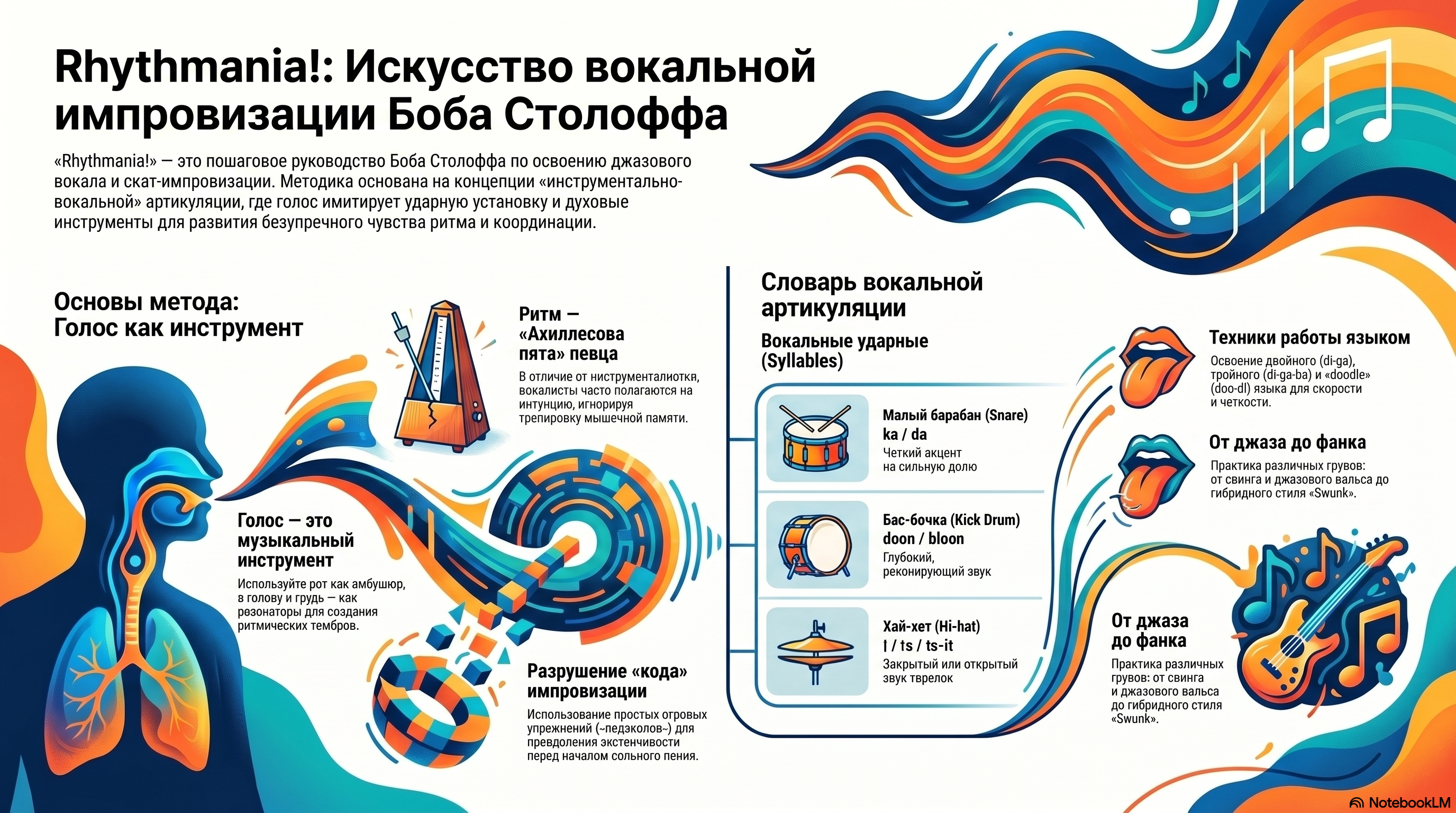
Ритмика для вокалистов: основа для новичка
Ритм — это скелет любой песни. Даже самый красивый голос разваливается, если не сидит в долях. Этот материал проводит новичков-вокалистов и…