Vocal Distortion Lessons: How to Learn Extreme Vocals Without Damaging Your Voice
Vocal distortion adds fire, density, and a signature rasp to the sound. But safe extreme vocals are not built on shouting — they require a free larynx, solid support, and precise full-body coordination.

What Is Vocal Distortion?
Adding fire, density, and a signature rasp to the sound is one of the most common requests among modern singers. Rock, blues rock, jazz, funk, and metal are hard to imagine today without special vocal effects.
If you are looking for professional vocal distortion lessons, it is important to understand one thing from the start: this effect is not created through strain or shouting. It appears through a balance of anatomical freedom and strong engagement of the whole body.
In simple terms, vocal distortion is an additional noise component layered over your clean vocal tone. The true vocal folds continue vibrating and holding a specific pitch, while supraglottic structures, such as the false vocal folds, create a controlled rasp, crunch, or vibration.
Many people think extreme vocals and basic contemporary singing technique are completely separate worlds. In reality, every extreme effect must be built on a strong foundation:
- correct and active vocal support;
- a free larynx without neck tension;
- enough necessary vocal narrowing — twang — to help protect the vocal folds.
Vocal Distortion
Distortion is one of the most popular and in-demand effects in modern music. It adds density, grit, and a powerful rock character to the sound while keeping the basic pitch clearly recognizable.
More body and energy: how distortion works
It is important to understand that vocal distortion and extreme vocal effects require enormous physical engagement from the singer. To keep the false vocal folds in controlled vibration and avoid slipping into a shout, you need much more body involvement and inner energy than in ordinary singing.
Safe vocal distortion is an energy-consuming, athletic process. The load moves away from the throat and into the muscles of the body. The more energy and active physical support you create from within, the freer the larynx feels — and the more powerful, dense, and bright the effect becomes.
The main safety rule: distortion should never cause pain, scratching, or coughing. The throat should remain free while the whole body works like a powerful pump, generating energy for the sound.
Where to Start: A Basic Exercise
- Feel physical tone. Set up the body and feel solid vocal support in the lower part of the torso.
- Find twang. Make the sound bright and sharp, like a duck quack. This narrows the supraglottic area and helps protect the true vocal folds.
- Add controlled hold and energy. Try imitating a light, quiet growl, like an angry dog, or gently clear the throat on an exhale with an open mouth, actively sending the airflow through the work of the abdominal and back muscles.
- Connect it to a note. Once you feel a light vibration above the vocal folds, smoothly transfer it to a short vowel sound while keeping high muscular activity in the body.
If you feel pain, scratching, or the urge to cough during the exercise, stop. Extreme vocals are best learned under the guidance of a teacher.
How to Learn Vocal Distortion Online: A Singer’s Checklist
Learning safe vocal distortion on your own from random internet videos can be difficult: it is easy to confuse healthy physical body work with dangerous tension in the neck. Our online vocal course uses a step-by-step system:
- Foundation diagnosis. First, we check your clean tone and vocal modes. Without stable support, it is not safe to move on to extreme techniques.
- Body engagement. You learn how to accumulate energy inside the torso so the larynx can stay free from tension.
- Effect isolation. We find a safe balance of airflow and muscular tone so distortion can be activated without harming the vocal folds.
- Integration into repertoire. We transfer distortion, growl, or rattle onto specific lines from your favorite songs.
Related materials

Vocal Lesson for Adult Beginners: From First Steps to Extreme Techniques
You can learn to sing at any age. For adult beginners, awareness, favorite repertoire, and a comfortable online environment often become po…


How to Get Your Voice Back: A Step-by-Step Guide to Safe Vocal Recovery
What to do when your voice becomes hoarse or disappears: warning signs, voice rest, gentle breathing, and a cautious return to sound withou…
Singing Lessons for Adults: How to Start from Scratch and Stop Feeling Shy
Can you start vocal training as an adult? This guide addresses common beginner fears, explains how modern singing lessons work, and explore…
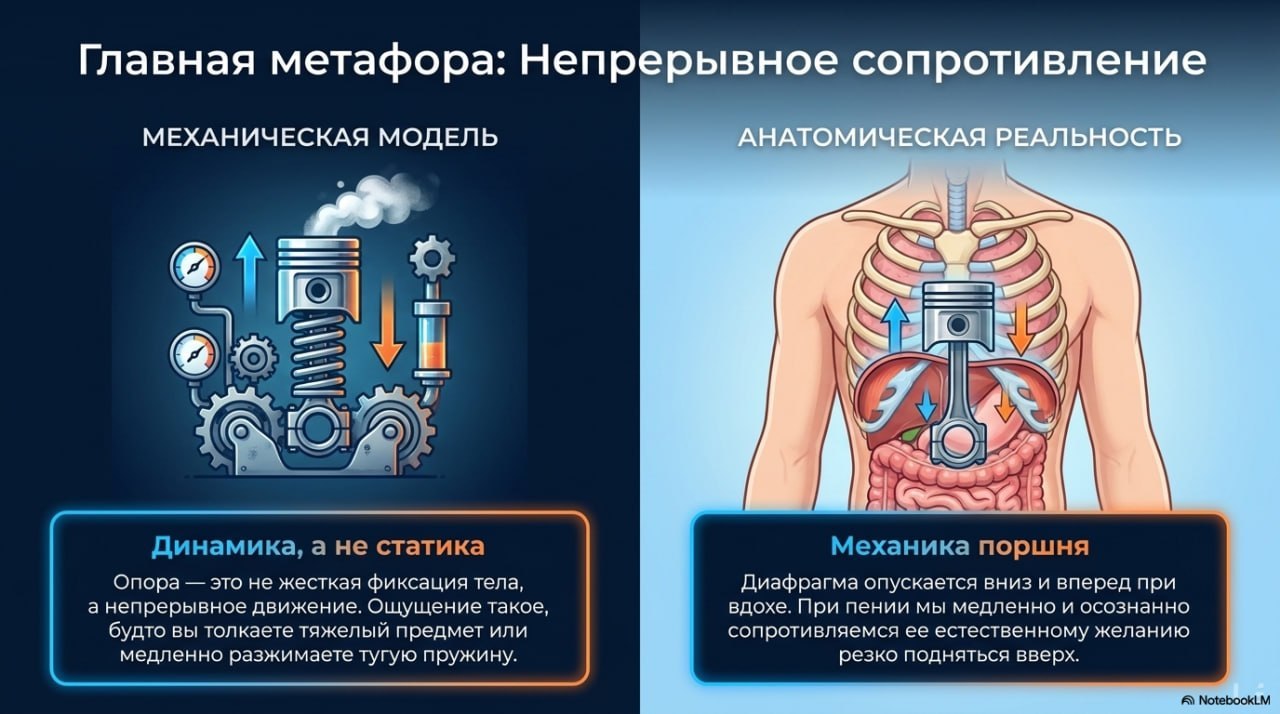
What Is Vocal Support?
article > section:nth-of-type(2){display:none}A short visual guide: vocal support is not stiffness or rigid body fixation, but continuous, …
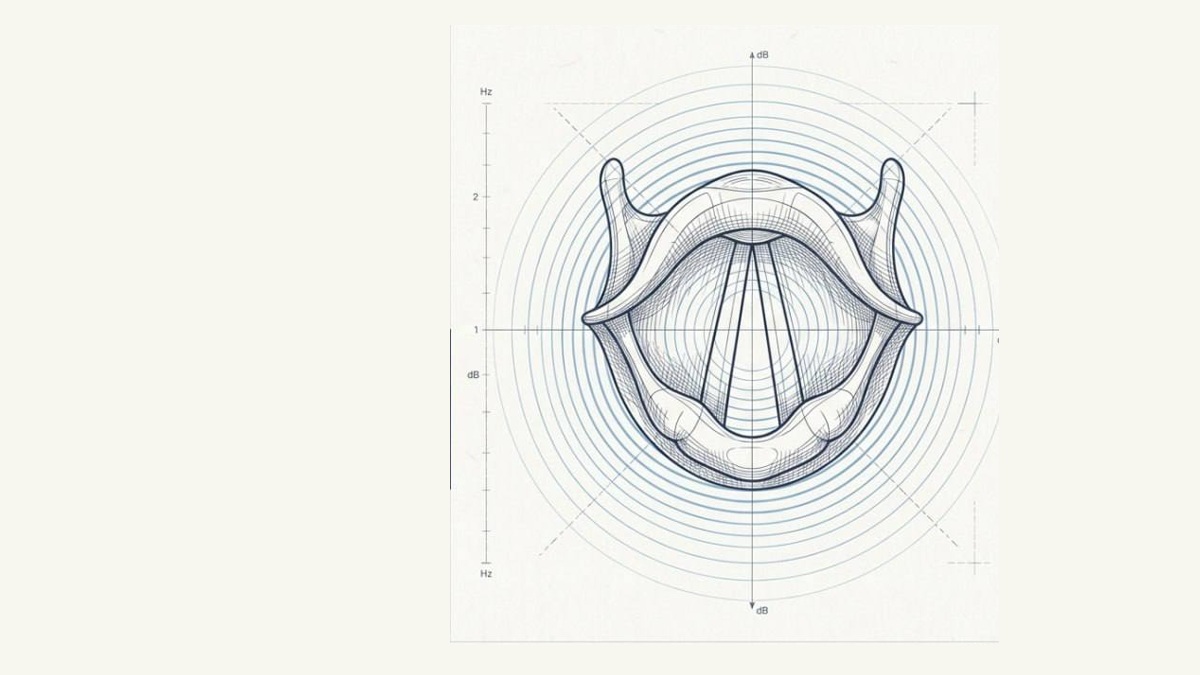
Anatomy of Vocal Mix: M1, M2 and the Biomechanics of Density
Visual slides on vocal mix: M1 and M2, vertical phase difference, vocal density and reducing density without breaking.
How to Learn Jazz Singing Remotely: Online Vocal Guide for Beginners
A beginner-friendly guide to learning jazz vocals online: technique, rhythm, scat, microphone work, and practice with legendary standards.