Anatomy of Vocal Mix: M1, M2 and the Biomechanics of Density
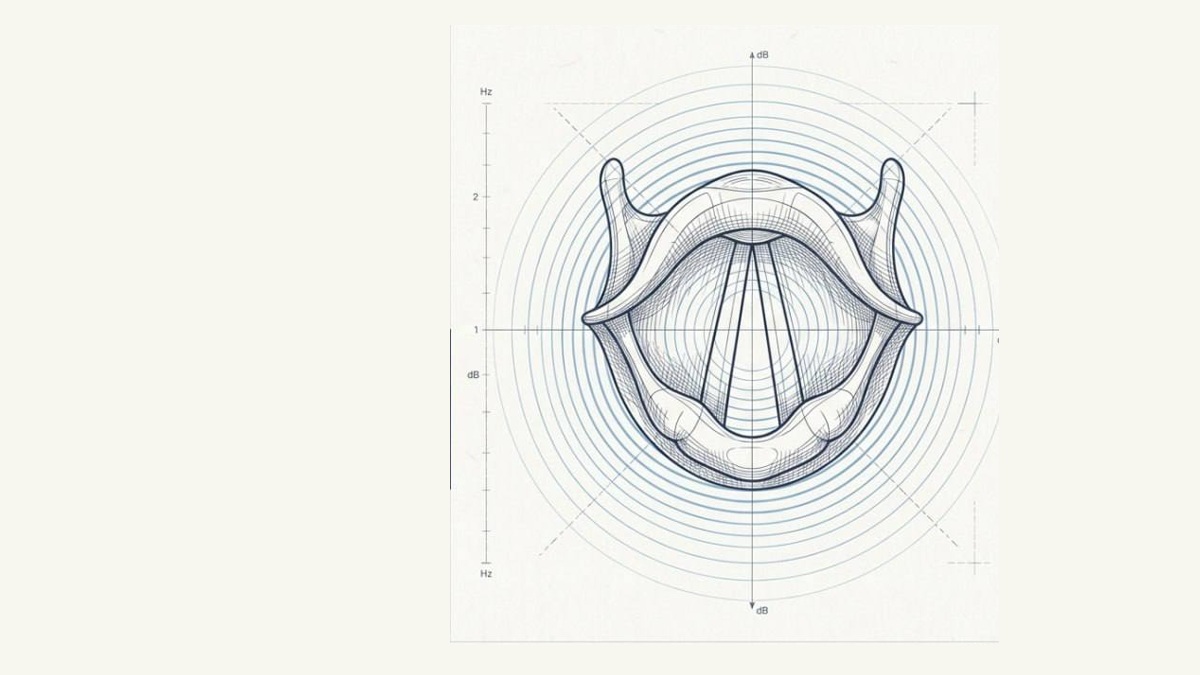
Vocal Mix Biomechanics Slides
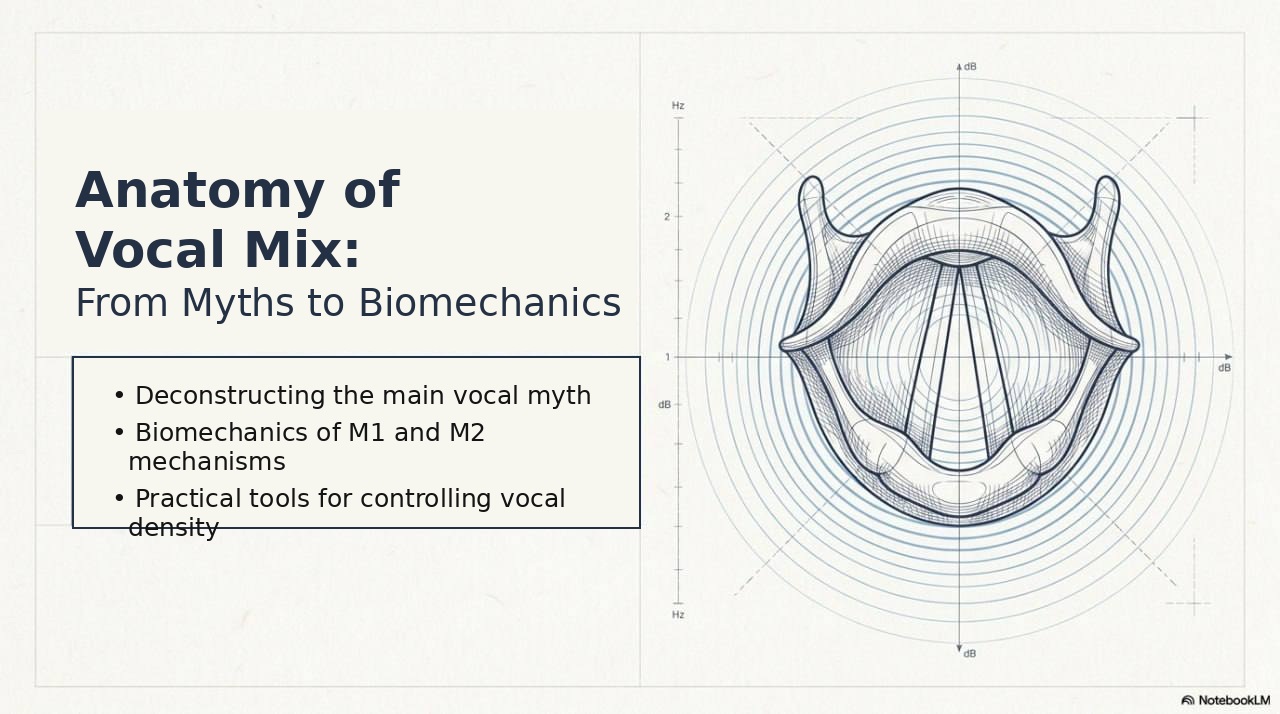
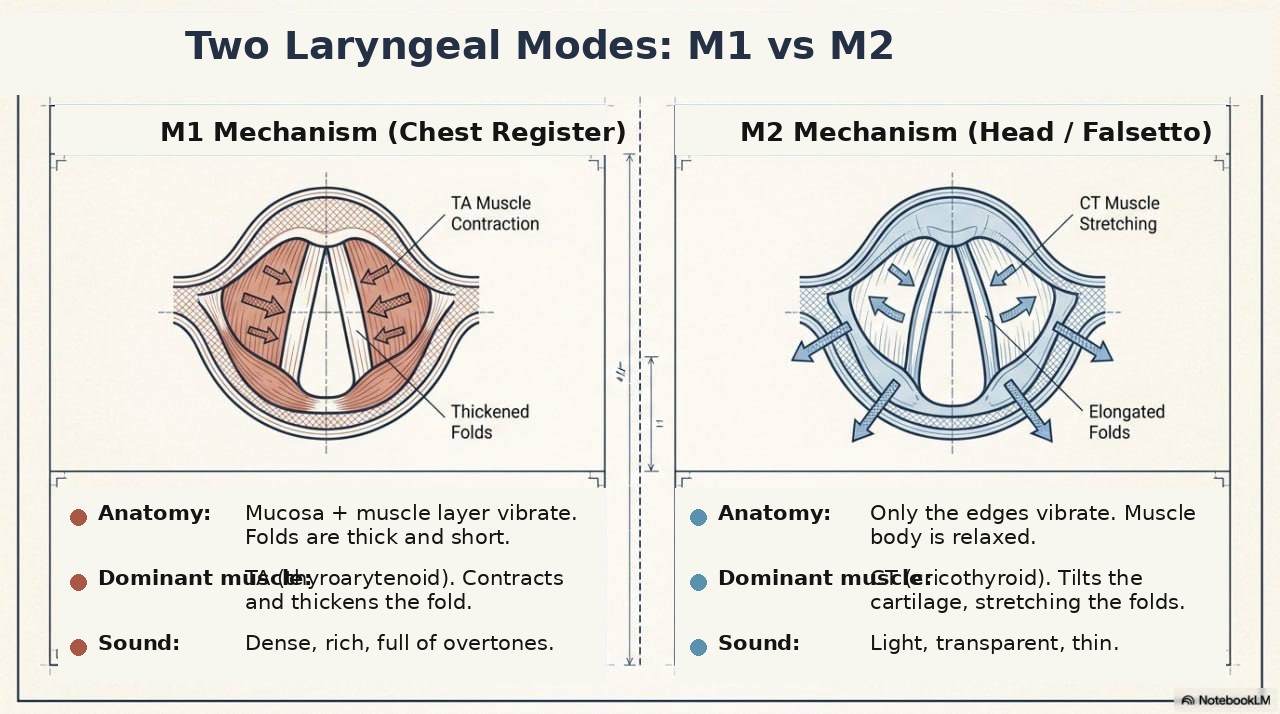
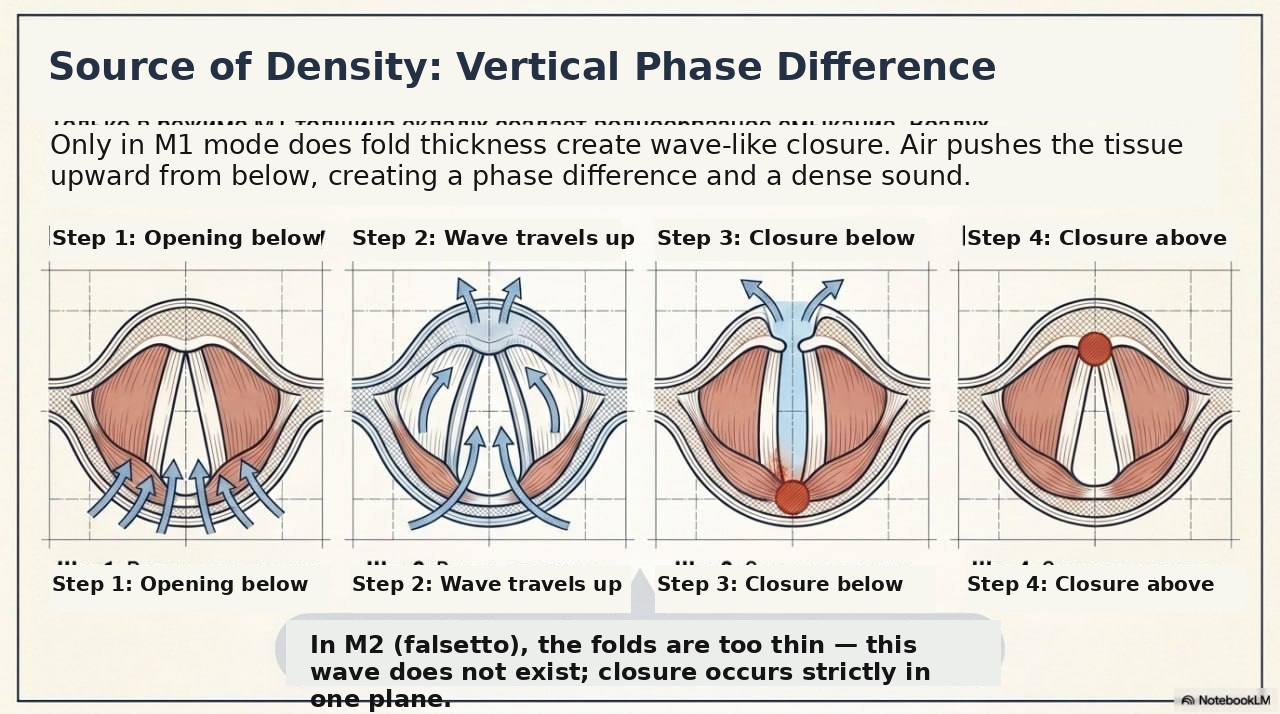
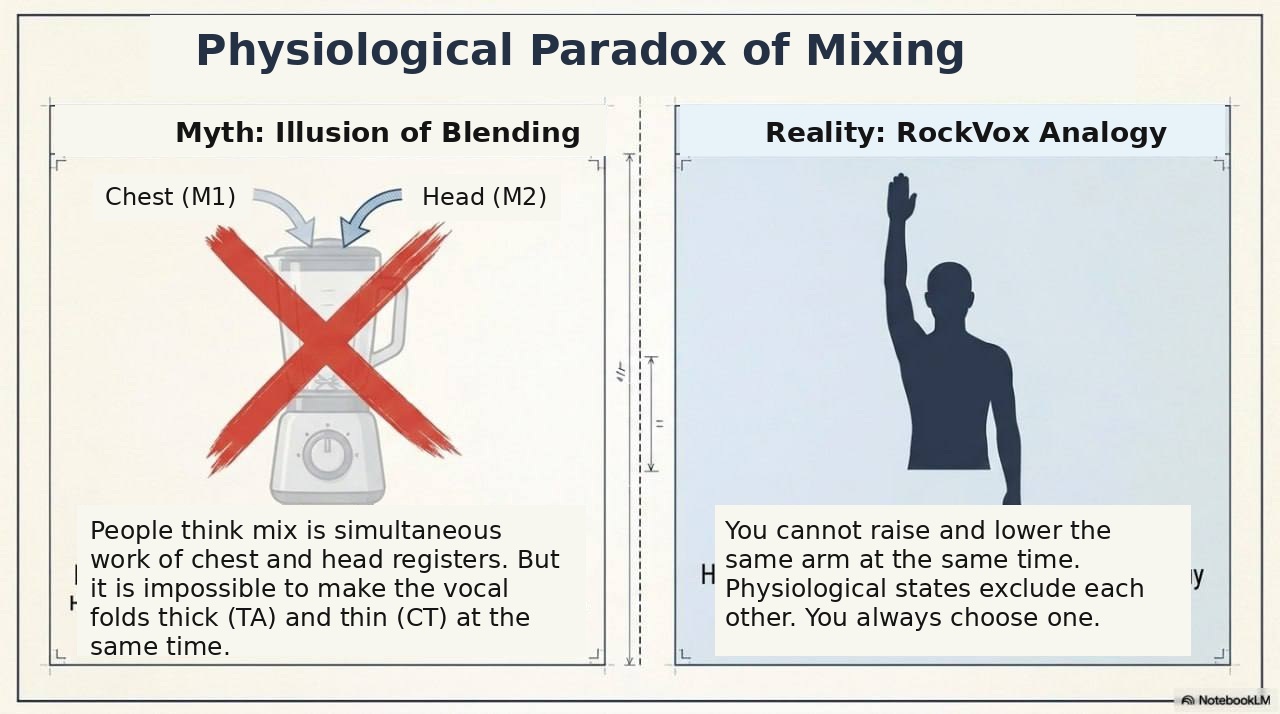
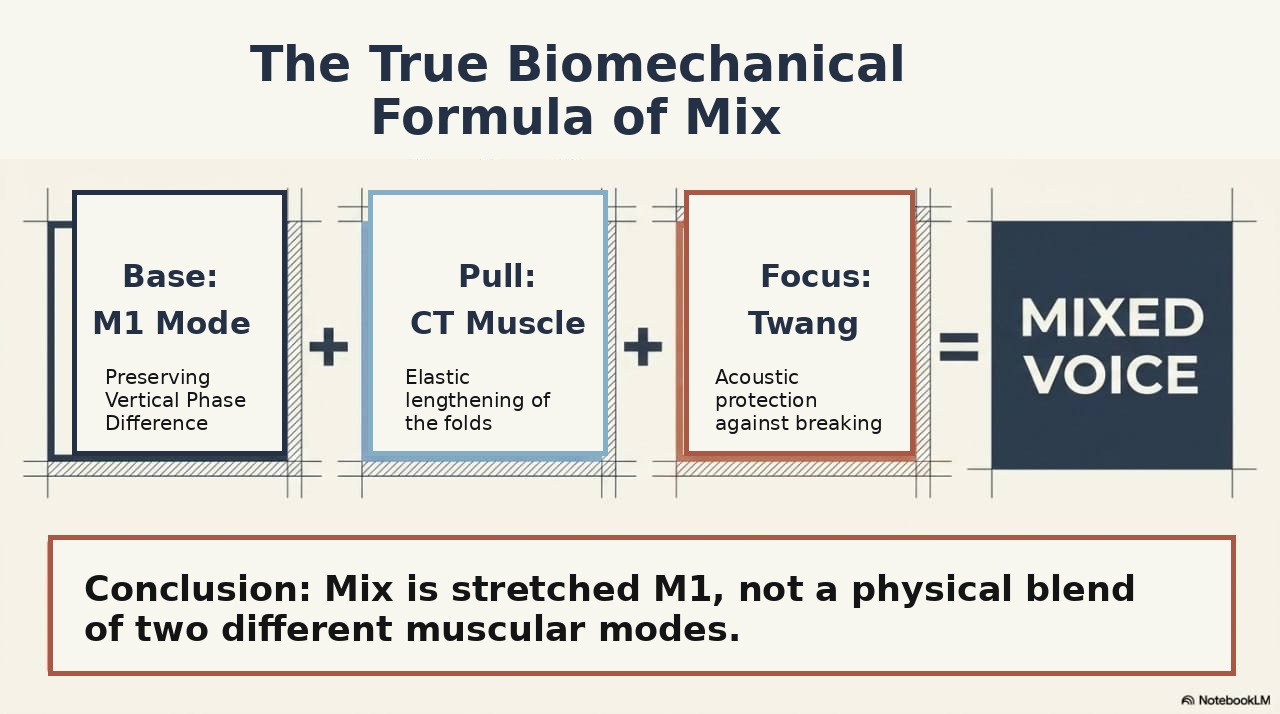
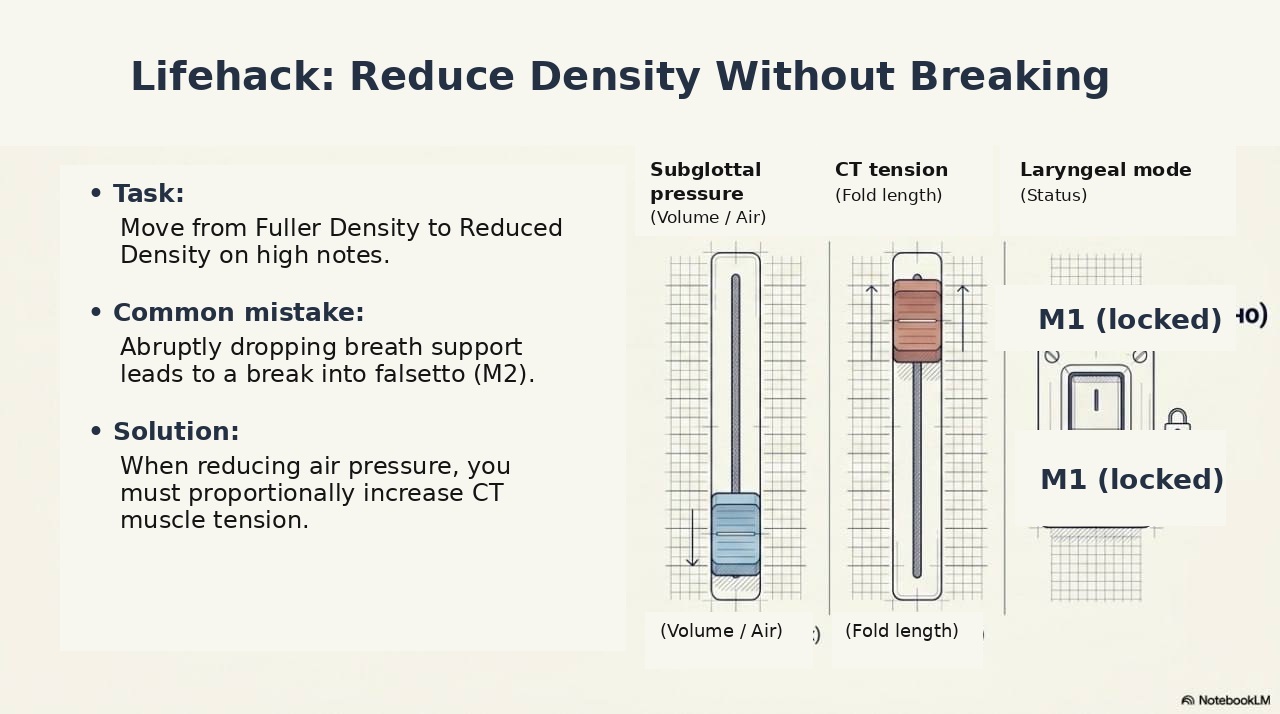
A visual guide to vocal mix: how M1 and M2 differ, why mix is not a literal blend of two registers, and how to reduce vocal density without breaking into falsetto.
Related materials

Vocal Distortion Lessons: How to Learn Extreme Vocals Without Damaging Your Voice
Vocal distortion adds fire, density, and a signature rasp to the sound. But safe extreme vocals are not built on shouting — they require a …

Fun diction warm-up
A fun diction warm-up: a short exercise for clearer articulation and warming up the speech apparatus.
Vocal Support and Breathing: Stop Throat Tension and Sing Freely
Everyone who begins singing eventually hears the phrase “sing with support.” But what does that mean in practice, and how can y…


How to Get Your Voice Back: A Step-by-Step Guide to Safe Vocal Recovery
What to do when your voice becomes hoarse or disappears: warning signs, voice rest, gentle breathing, and a cautious return to sound withou…

Singing Lessons for Adults: How to Start from Scratch and Stop Feeling Shy
Can you start vocal training as an adult? This guide addresses common beginner fears, explains how modern singing lessons work, and explore…
What Is Vocal Support?
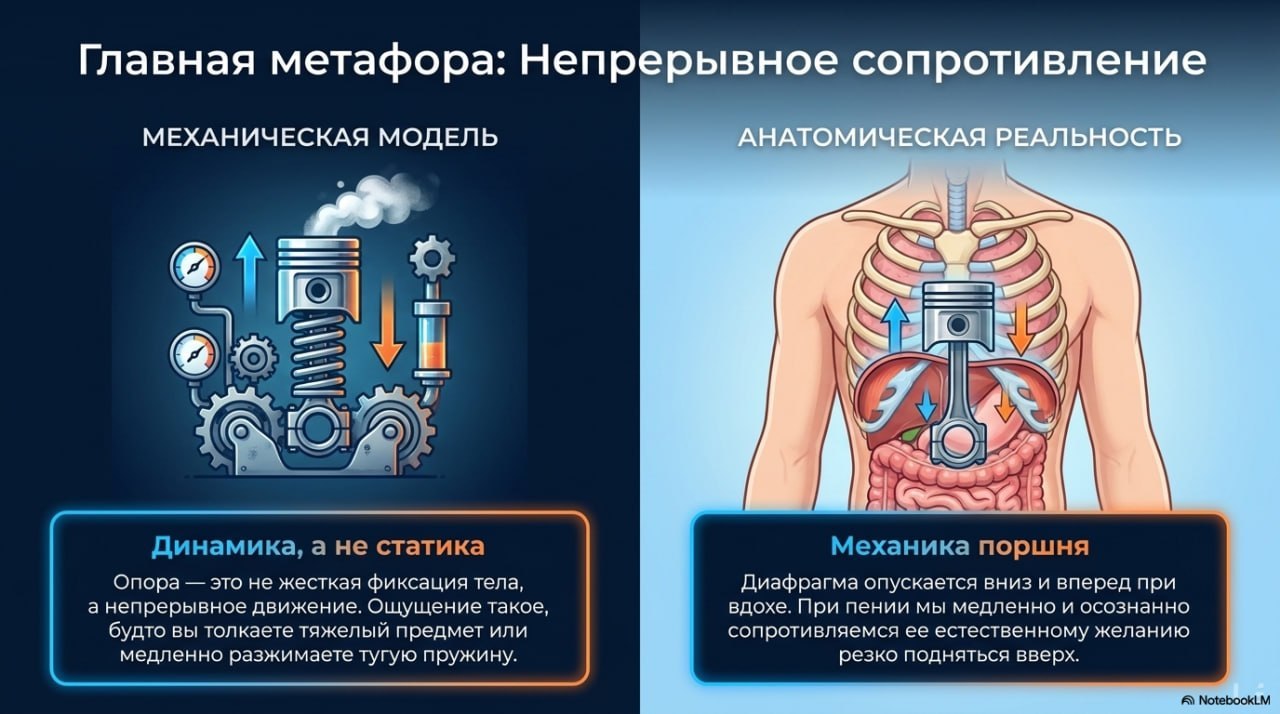
article > section:nth-of-type(2){display:none}A short visual guide: vocal support is not stiffness or rigid body fixation, but continuous, …