How to Get Your Voice Back: A Step-by-Step Guide to Safe Vocal Recovery

Voice strain or voice loss is a serious problem for anyone whose work or interests involve speaking or singing. After a loud concert, an important recording, a long conversation, or a cold, it is natural to wonder how to get your voice back quickly. Recovery time depends on the cause, however, so the first step is to rule out conditions for which home exercises are not appropriate.
If your voice has disappeared, how can you help it return without taking unnecessary risks? Raw eggs do not treat the vocal folds, and scalding drinks can irritate the throat. A comfortably warm drink can support general hydration, but no drink or exercise guarantees an instant result. The sequence below is intended for mild overload or recovery after illness only after warning signs have been ruled out.
First, Rule Out Warning Signs
This article is educational and does not replace an assessment by an otolaryngologist or another qualified voice specialist. Do not begin voiced exercises, and seek medical care if you notice any of the following warning signs:
- your voice disappears suddenly while shouting, singing loudly, or during another strenuous vocal task — this can be a sign of a vocal-fold hemorrhage; stop using your voice immediately and obtain prompt medical assessment;
- difficulty breathing or swallowing;
- coughing blood, swelling, or a lump-like sensation in the neck;
- strong pain while speaking or swallowing;
- complete voice loss lasting more than a few days;
- hoarseness lasting more than three weeks.
If you rely on your voice professionally, it is sensible to seek help sooner, particularly after a sudden change in range, tone, or vocal stamina.
What Should You Do First If You Lose Your Voice?
If no warning signs are present, your first actions should reduce vocal demand rather than test the voice repeatedly.
- Reduce voice use. Do not sing, shout, or compete with background noise. If you need to speak, use short phrases at a comfortable conversational volume.
- Do not whisper. Whispering and excessively quiet, effortful speech can also tire the voice.
- Stay hydrated. Drink water at a comfortable temperature and use moderate room humidification if the air is dry.
- Avoid repeated throat clearing. Instead of a forceful cough, try taking a sip of water or swallowing gently.
- Observe how the voice feels. Pain, increasing effort, or worsening sound are reasons to stop. You cannot diagnose swelling, nodules, or polyps from sensation alone.
Specific vocal practices may help reduce unnecessary muscular tension and restore a sense of easier sound production, but they do not replace treatment of the underlying cause of voice loss.
Stage 1: Quiet Breathing Without Sound
If your condition does not require medical care and quiet breathing feels comfortable, begin by reducing general tension. You do not need to make sound or force an unusually deep breath.
- Relax your shoulders and jaw. Take a few natural breaths without sharply lifting the shoulders.
- Notice gentle expansion in the lower ribs. Place your hands on the sides of your rib cage and observe a small outward movement as you inhale. Do not press into the chest.
- Allow easy abdominal movement. Rest one hand on the upper abdomen and let it move naturally with the breath without pushing or holding.
- Use a gentle rocking motion. Sway slightly forward and back while keeping the neck and abdomen free and the breath ordinary.
Complete three or four easy cycles. Stop if you feel dizzy, experience pain, or notice uncomfortable pressure.
Stage 2: Minimal-Voice Exercises
Move on to voiced sound only when there is no pain, sudden voice loss, or increasing hoarseness. If the voice sounds or feels worse after the first attempt, stop immediately.
Voice therapy often uses semi-occluded vocal tract exercises, or SOVT. A narrowing at the lips or elsewhere in the vocal tract creates back pressure and can help some people phonate with less perceived effort. It is not a universal treatment and does not replace an assessment.
- A gentle exhalation on “sss.” Release air steadily through “sss” without adding voice or searching for a pitch. Keep the jaw and lips free. This coordinates airflow without setting the vocal folds into vibration.
- Very quiet “v” or “z.” If the first step is comfortable, add a brief, light voiced “v” or “z” at an easy conversational pitch. Do not press the sound or try to make it artificially low.
- Closed-mouth humming. Make a short, calm “mmm” at a comfortable pitch. Look for ease rather than volume. Stop if you feel scratching, pain, or increasing hoarseness.
Begin with only a few short repetitions and reassess after each one. More repetitions do not mean faster recovery.
How to Consolidate the Result and Return to Voice Use
Once the voice feels comfortable again, return to vocal demands gradually. Begin with short phrases at a normal conversational volume, take regular voice breaks, continue drinking water, and stop at the first sign of fatigue. Do not test your range with loud high notes or compensate for weakness by pressing.
In modern singing practice, including Complete Vocal Technique, twang is used as one option for coordinating and coloring the sound. It can make the tone brighter and more focused, but it is not a treatment for acute voice loss and should not be presented as a proven way to protect injured tissue. Return to twang and intensive singing only after acute symptoms have resolved and, when possible, with a qualified teacher.
Give the voice time to rest after practice. Do not switch to whispering; if speech is necessary, keep it short and calm. If improvement is unstable or hoarseness returns, consult a doctor or qualified voice specialist.
What to Read Next
Once the acute discomfort has fully resolved and ordinary speech feels easy again, read our guide to singing lessons for adults for a gradual approach to further practice.
Only after the voice feels comfortable again should you move on to our diction warm-up. Use it as a learning exercise, not as treatment for hoarseness.
Related materials

Singing Lessons for Adults: How to Start from Scratch and Stop Feeling Shy
Can you start vocal training as an adult? This guide addresses common beginner fears, explains how modern singing lessons work, and explore…

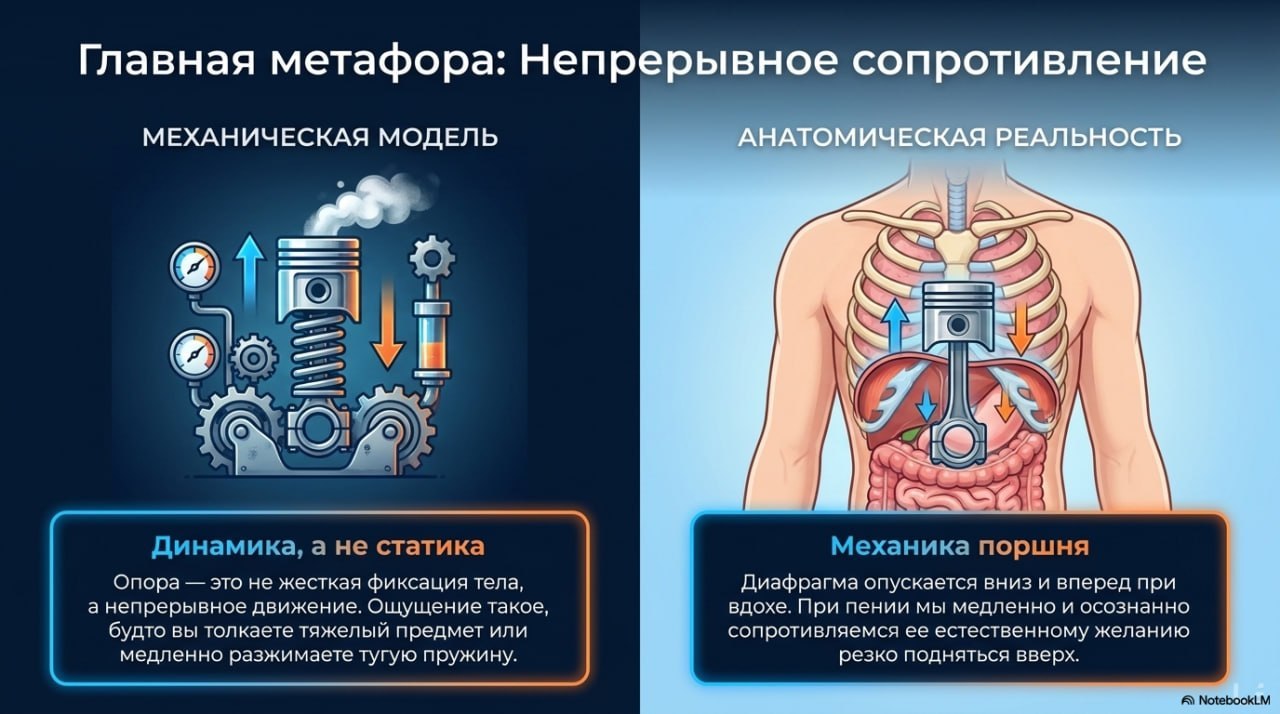
What Is Vocal Support?
article > section:nth-of-type(2){display:none}A short visual guide: vocal support is not stiffness or rigid body fixation, but continuous, …
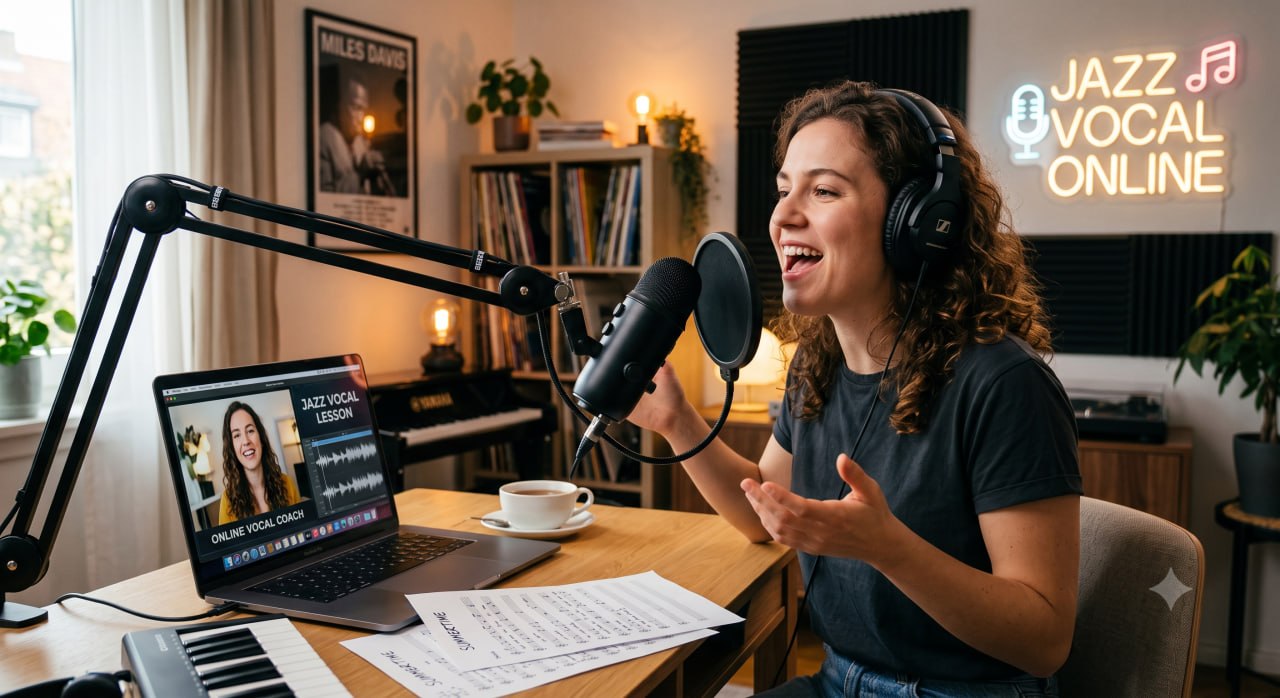
How to Learn Jazz Singing Remotely: Online Vocal Guide for Beginners
A beginner-friendly guide to learning jazz vocals online: technique, rhythm, scat, microphone work, and practice with legendary standards.

Vocal Lesson for Adult Beginners: From First Steps to Extreme Techniques
You can learn to sing at any age. For adult beginners, awareness, favorite repertoire, and a comfortable online environment often become po…

Songs for Your First Vocal Lesson: Top 10 Beginner-Friendly Tracks
What song should you choose for your first vocal lesson? The most important thing is not difficulty or impressive high notes, but a song yo…


Vocal Distortion Lessons: How to Learn Extreme Vocals Without Damaging Your Voice
Vocal distortion adds fire, density, and a signature rasp to the sound. But safe extreme vocals are not built on shouting — they require a …