Vocal Lesson for Adult Beginners: From First Steps to Extreme Techniques
You can learn to sing at any age. For adult beginners, awareness, favorite repertoire, and a comfortable online environment often become powerful advantages on the way to a freer voice.

Why Adults Can and Should Start Singing
There is a common myth that you have to start singing in childhood, and that extreme vocals are only for a chosen few with some special vocal folds. In reality, adult learners often progress faster because they bring awareness and a better understanding of their own body.
The key is to start correctly — without rushing, forcing, or burning out. Let’s look at how an effective and safe vocal lesson for adult beginners is structured, and why the online format can be ideal for the first steps.
A Song That Lights You Up: Singing What You Love
One of the biggest mistakes in traditional vocal training is forcing an adult to spend weeks singing exercises or academic repertoire that feels emotionally distant — especially when their playlist is full of funk, jazz, blues rock, or powerful rock ballads.
When you choose a song you genuinely love, a completely different level of involvement appears:
- Emotional connection. You want to express the character of the track, and the voice naturally starts searching for the right colors.
- Familiarity with the material. You have heard the song hundreds of times, so your brain can navigate the rhythm and melodic line much more easily.
In our lessons, we always start from your musical taste. We take a favorite track and adapt it to your current level, gradually making the task more complex.
A Comfortable Environment Helps Free the Voice
The voice is an instrument that reacts to stress instantly. As soon as you tense up or feel embarrassed, the larynx narrows, the breath becomes restricted, and the sound turns quiet and tight. That is why online vocal lessons for adults can be such a helpful starting point.
You stay in your familiar, safe space, where:
- there is no feeling that someone is judging you outside the classroom door;
- you can fully focus on the teacher’s guidance and your own physical sensations;
- it is easier to find inner physical energy and connect the body without worrying about looking “wrong.”
From Simple to Complex: Gradual Growth Without Strain
Many people want everything at once: to come to the first lesson and immediately produce powerful vocal distortion or sing a complex jazz improvisation. But the voice needs careful, gradual work. Trying to skip steps usually leads to disappointment — or worse, vocal strain.
A singer’s development is a gradual but exciting process:
- The basic foundation. First, we learn to coordinate the body, build solid vocal support, and release unnecessary neck tension.
- A confident clean tone. We explore the main vocal modes in a comfortable range and learn to control dynamics and sound density.
- Introducing special effects. Only when the foundation is stable do we add online extreme vocal training, learning to safely split the sound and introduce subtone, rattle, or distortion.
Each step gives you a new sense of control. You start noticing that the voice becomes more responsive, the range expands, and singing begins to bring real pleasure.
Take the First Step Toward Your Real Voice
It does not matter whether you dream of singing confidently at karaoke, want to improve your performance in a favorite genre, or feel drawn to complex extreme vocal techniques — you can start at any age and from any level.
The most important things are your desire, a comfortable atmosphere, and a skilled mentor who can guide you step by step.
Related materials
How to Get Your Voice Back: A Step-by-Step Guide to Safe Vocal Recovery
What to do when your voice becomes hoarse or disappears: warning signs, voice rest, gentle breathing, and a cautious return to sound withou…

Singing Lessons for Adults: How to Start from Scratch and Stop Feeling Shy
Can you start vocal training as an adult? This guide addresses common beginner fears, explains how modern singing lessons work, and explore…
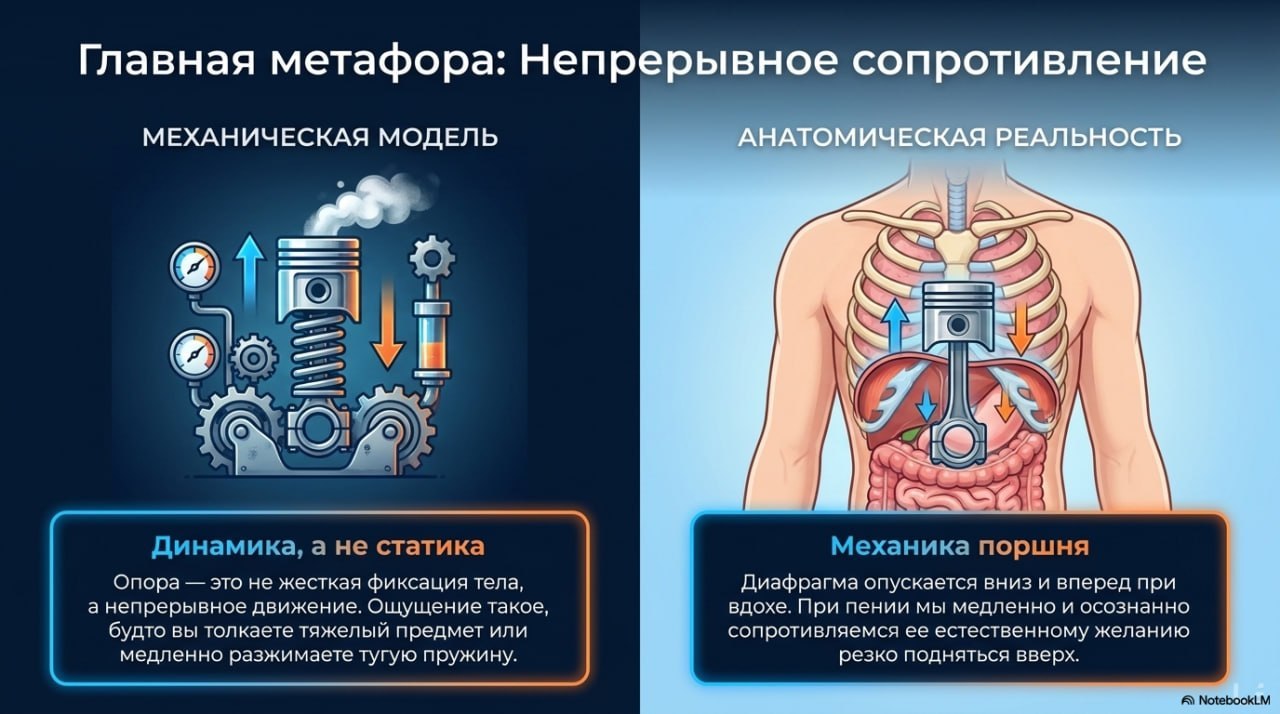
What Is Vocal Support?
article > section:nth-of-type(2){display:none}A short visual guide: vocal support is not stiffness or rigid body fixation, but continuous, …
How to Learn Jazz Singing Remotely: Online Vocal Guide for Beginners
A beginner-friendly guide to learning jazz vocals online: technique, rhythm, scat, microphone work, and practice with legendary standards.

Vocal Distortion Lessons: How to Learn Extreme Vocals Without Damaging Your Voice
Vocal distortion adds fire, density, and a signature rasp to the sound. But safe extreme vocals are not built on shouting — they require a …
Songs for Your First Vocal Lesson: Top 10 Beginner-Friendly Tracks
What song should you choose for your first vocal lesson? The most important thing is not difficulty or impressive high notes, but a song yo…