Songs for Your First Vocal Lesson: Top 10 Beginner-Friendly Tracks
What song should you choose for your first vocal lesson? The most important thing is not difficulty or impressive high notes, but a song you genuinely enjoy and that lets the teacher hear your natural voice.

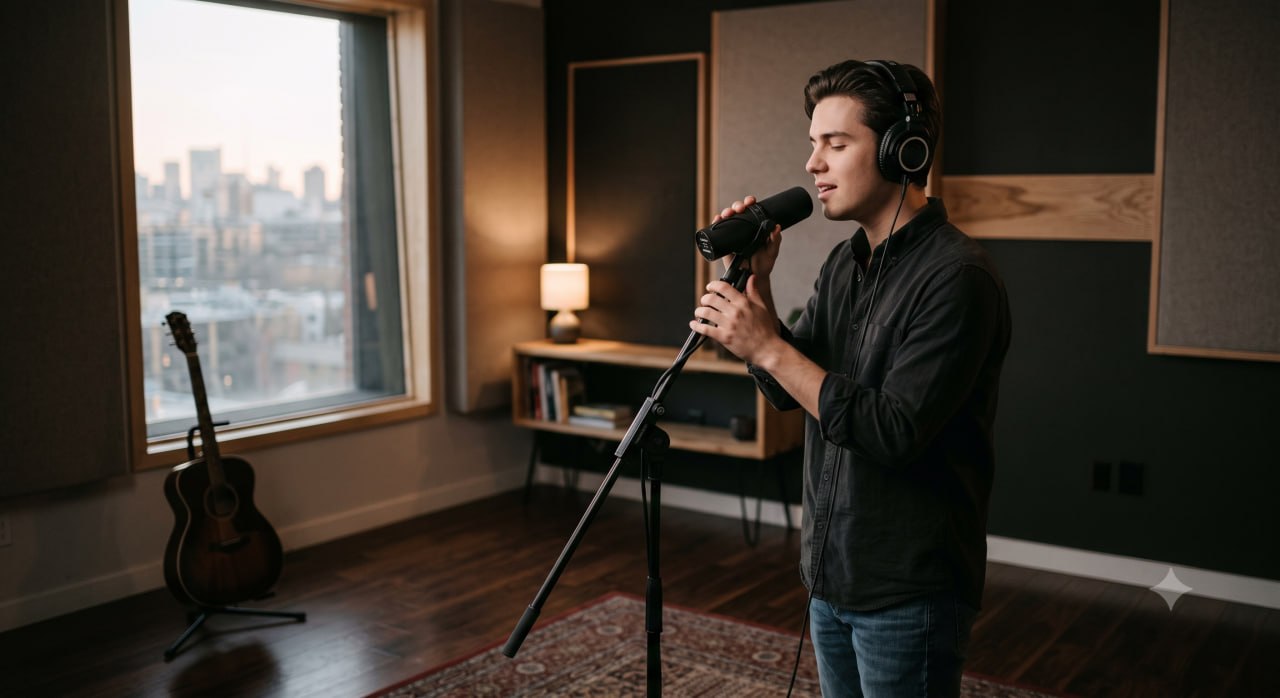
How to Choose a Song for Your First Vocal Lesson
Many beginners think they need to prepare a difficult song, show high notes, or demonstrate everything their voice can do right away. In reality, something else matters much more at the first lesson: you should like the song.
When you enjoy a song, it is easier to express emotion, remember the melody, and follow the teacher’s suggestions. So don’t choose a song only because it seems impressive or vocally difficult. Even a simple piece can tell the teacher a lot about your voice, ear, rhythm, and natural way of producing sound.
For a trial or first lesson, it is best to choose a song you know well and enjoy listening to. It does not need to include high notes, powerful climaxes, or complex vocal techniques. At the first lesson, the teacher needs to hear your natural voice and understand what can be developed next.
It is helpful to choose a song in a language you speak. When you understand the lyrics and pronounce the words confidently, it is easier to focus on breathing, pitch, and vocal sound. If the song is in a foreign language, look up the meaning and pronunciation in advance.
It is also important to know the melody well. Before the lesson, listen carefully to the original several times, try singing along with the artist, and then sing it on your own with a backing track. You do not have to prepare the whole song: for a first lesson, one verse and one chorus are often enough.
Top 10 Songs for Your First Vocal Lesson
Below are popular songs for beginner vocalists. Some of them sound quite simple, but each song helps train specific skills: pitch, breathing, rhythm, pronunciation, and expression.
Easier songs
Elvis Presley — Can’t Help Falling in Love. A calm, recognizable song with a clear melody. It is useful for working on even tone, breathing, and smooth note connection.
Oasis — Wonderwall. A good option for a first vocal lesson, especially if you like rock and want to sing without difficult high notes. The main focus can be rhythm, pronunciation, and natural delivery of the lyrics.
James Blunt — You’re Beautiful. A song with a memorable melody and clear structure. It is important to choose a comfortable key so the higher notes do not create tension.
Intermediate songs
Autumn Leaves. A well-known jazz standard that helps develop musical ear, phrasing, and expressiveness. It can be sung in different tempos and keys.
Frank Sinatra — Fly Me to the Moon. A good introduction to jazz phrasing and swing rhythm. When singing it, it is important not only to hit the notes, but also to keep the music light and moving.
The Chainsmokers & Coldplay — Something Just Like This. A modern song with a clear melody and repeated phrases. It helps work on rhythm, breath, and the gradual shift from a calmer sound to a more active one.
More challenging songs
Imany — You Will Never Know. Despite its calm sound, this song requires good breath control, accurate pitch, and confident low notes. It is useful for developing timbre and expressive delivery.
Amy Winehouse — Valerie. A rhythmic song that helps develop groove, coordination between voice and music, and freedom of performance. The main challenge is not high notes, but rhythm and character.
Shakira — Underneath Your Clothes. This song requires smooth breathing, stable pitch, and the ability to move from a soft sound to a fuller one. It is important to sing it without pushing the voice.
Coldplay — Viva La Vida. This song is useful for working on rhythm, long phrases, and confident delivery. Because of the constant movement in the melody and lyrics, it may be harder than it first seems.
The level of difficulty can change depending on the key and the individual characteristics of the voice.
How to Create Your Own Vocal Song List
Ideally, before starting lessons, make a list of about ten songs:
- three easy songs;
- three intermediate songs;
- three or four more challenging songs.
Start with pieces you feel confident singing. Then gradually move toward songs with more complex rhythm, a wider range, longer phrases, or new vocal techniques.
This kind of song list for vocal lessons helps you see your direction of growth. Together with your teacher, you can decide which songs already suit you, which ones should be transposed, and which ones are better to return to a little later.
Remember that dividing songs by difficulty is always approximate. The same song can be comfortable for one person and difficult for another. A lot depends on range, timbre, musical experience, and the chosen key.
What Song to Prepare for a Trial Vocal Lesson
For a trial vocal lesson, prepare one or two songs you genuinely like. It is useful if they are slightly different in character: for example, one calm and melodic song and one more rhythmic and emotional song.
You do not need to make the performance perfect in advance. The first lesson is not an exam. The teacher will help identify the features of your voice, choose a comfortable key, and show how the performance can become freer and more expressive.
The best song for your first vocal lesson is one you love, know well, and are ready to sing without being afraid of mistakes. Start with comfortable material, and difficult songs and high notes will become the next stages of your vocal development.
Related materials

How to Get Your Voice Back: A Step-by-Step Guide to Safe Vocal Recovery
What to do when your voice becomes hoarse or disappears: warning signs, voice rest, gentle breathing, and a cautious return to sound withou…

Singing Lessons for Adults: How to Start from Scratch and Stop Feeling Shy
Can you start vocal training as an adult? This guide addresses common beginner fears, explains how modern singing lessons work, and explore…
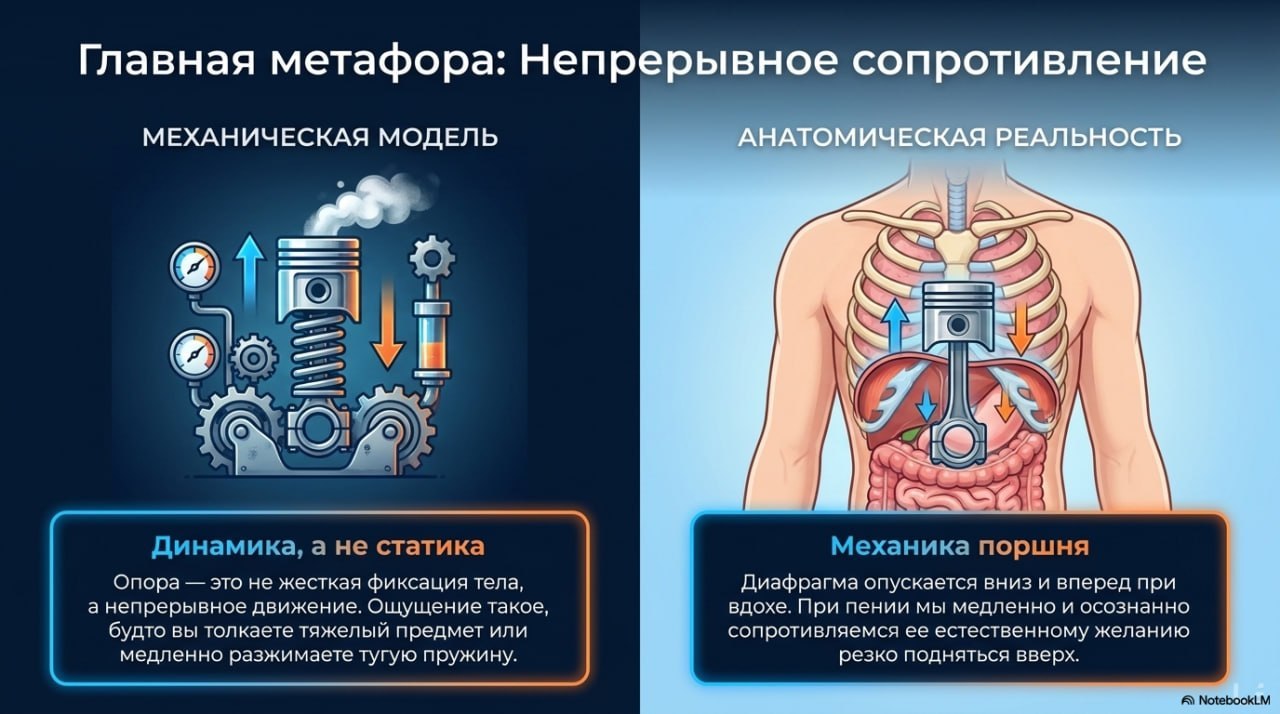
What Is Vocal Support?
article > section:nth-of-type(2){display:none}A short visual guide: vocal support is not stiffness or rigid body fixation, but continuous, …
How to Learn Jazz Singing Remotely: Online Vocal Guide for Beginners
A beginner-friendly guide to learning jazz vocals online: technique, rhythm, scat, microphone work, and practice with legendary standards.

Vocal Lesson for Adult Beginners: From First Steps to Extreme Techniques
You can learn to sing at any age. For adult beginners, awareness, favorite repertoire, and a comfortable online environment often become po…
How to learn to sing from scratch as an adult: a clear practice plan
A step-by-step guide for adult beginners: how to start singing without chaos, what to practise during the first weeks, and when a teacher b…