How to learn to sing from scratch as an adult: a clear practice plan
A step-by-step guide for adult beginners: how to start singing without chaos, what to practise during the first weeks, and when a teacher becomes useful.
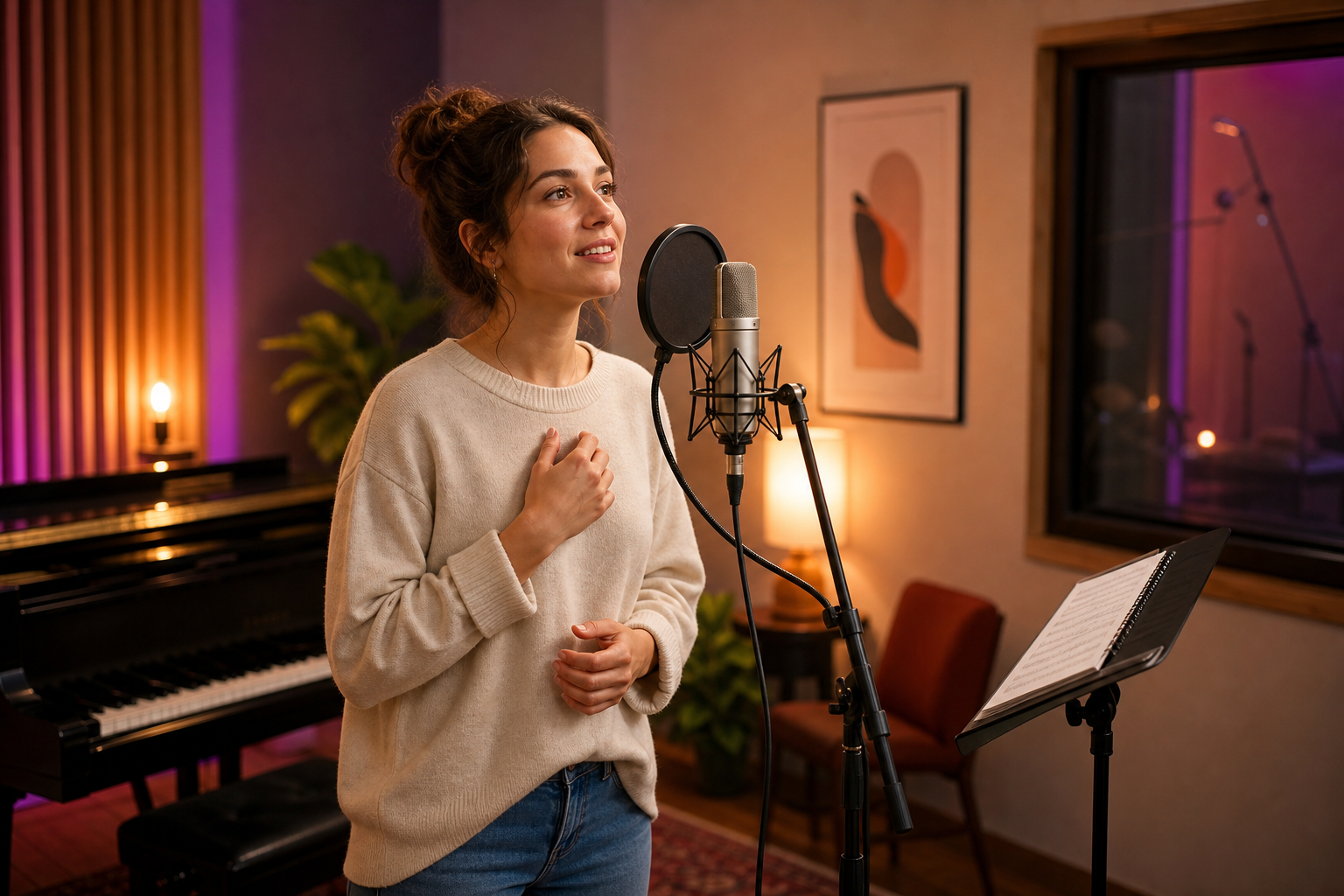
Where an adult beginner should start if they think they have “no voice”
Adults do not need perfect pitch or a special “gift” to start singing. At the beginning, the important things are much more practical: understand how the voice works, remove unnecessary tension, and learn simple listening targets — higher, lower, stable, unstable.
The most common beginner mistake is trying to sing a difficult favourite song from start to finish right away. The voice gets tired, the sound becomes pushed, and the person concludes: “singing is not for me.” In reality, the voice needs gradual training, just like the body in sport.
A good start is simple: 10–15 minutes of regular practice, a comfortable range, short exercises, and recordings on your phone. Recording is not for self-criticism; it is feedback. After a week you can hear that the voice is steadier, breathing is calmer, and phrases feel less forced.
- choose one simple song you can hum without shouting;
- practice briefly but regularly — 4–5 times per week;
- do not compare yourself with artists; compare yourself with your own recording from last week;
- if your throat hurts or scratches, stop — pain is not a normal training effect.
The first month: breathing, pitch, and free sound
The goal of the first month is not to “set the voice forever.” The goal is to build a base: calm breathing, a soft onset, the ability to match simple notes, and less throat tension in every phrase.
Start with the body: open the shoulders, take a few calm breaths, and check that the jaw and tongue are not locked. Then move to simple vowels and syllables — for example “mm,” “mah,” or “moh” in a comfortable range. If the sound gets louder but harder, make it quieter and freer.
For pitch, use short repetitions after a piano, an app, or a teacher. Do not chase range. It is better to repeat 3–5 neighbouring notes confidently than to jump across an octave and lose control every time.
- 5 minutes — breathing and body release.
- 5 minutes — soft sound on humming or simple syllables.
- 5 minutes — repeating short notes and simple melodies.
- 5 minutes — one phrase from a song, slowly and without pushing.
Home exercises and how long to practise
Home practice should be short and clear. When a beginner opens a list of twenty exercises, they usually quit after a few days. It is better to choose a small set and repeat it long enough for the body to remember the feeling of free sound.
The optimal routine for an adult beginner is 15–25 minutes. That is enough to warm up and do useful work without exhausting the voice. If you want to practise more, split it into two short sessions: technique in the morning, song work in the evening.
A basic set can include soft humming, gentle slides up and down, short syllables like “mah-moh-moo,” repeating 3–5 notes, and slow work on one line of a song. The key criterion: after practice, the voice should feel lighter, not heavier.
- drink water before singing, not only during practice;
- do not sing when you are ill, in pain, or extremely tired;
- sound quality first, volume later;
- record 20–30 seconds of progress once a week.
When you need a vocal teacher and when you can start alone
You can start alone, especially if your goal is to stop feeling embarrassed, understand basic sensations, and build a practice habit. But self-training has limits: people do not always hear exactly where they squeeze the sound, lift the larynx, or compensate breathing with the throat.
A teacher is especially useful if you get tired quickly, lose your voice after singing, miss notes even in simple melodies, or want to prepare a specific song. In these cases, one good lesson can save months of random attempts.
A good beginner lesson should not feel like an exam. A good teacher explains in simple language, chooses exercises for your voice, and gives clear homework. After the lesson, you should understand exactly what to practise before the next meeting.
- alone: habit, simple exercises, getting familiar with your voice;
- with a teacher: technique, error diagnosis, safe range, song work;
- best option: short home practice plus regular feedback.
How to notice progress: real signs instead of waiting for a miracle
In singing, early progress often does not feel like “wow, I sound like an artist.” It feels like more control. You find a comfortable note faster, use less neck tension, breathe more calmly, and repeat a phrase several times without fatigue.
After 2–4 weeks of regular practice, the first visible changes usually appear: the voice is steadier, the start of a phrase is easier, and recording yourself feels less scary. That is real progress, even if the song is not perfect yet.
To track development, choose one control phrase and record it once a week in the same conditions. Do not record twenty takes. One honest take tells you much more than a perfect fragment assembled after an hour of attempts.
- you push the sound less;
- you can sing a short phrase without grabbing an extra breath in the middle;
- you hear more clearly when a note is higher or lower;
- your voice does not disappear after practice;
- it becomes psychologically easier to sing out loud.
Next step
If you want to understand your voice faster, start with a short diagnostic lesson: a teacher can listen to your range, breathing, and pitch, then choose the first exercises without unnecessary pressure. For an adult beginner, this is the safest way to avoid getting lost in random internet advice.
Related materials
Songs for Your First Vocal Lesson: Top 10 Beginner-Friendly Tracks
What song should you choose for your first vocal lesson? The most important thing is not difficulty or impressive high notes, but a song yo…

How to Get Your Voice Back: A Step-by-Step Guide to Safe Vocal Recovery
What to do when your voice becomes hoarse or disappears: warning signs, voice rest, gentle breathing, and a cautious return to sound withou…

Singing Lessons for Adults: How to Start from Scratch and Stop Feeling Shy
Can you start vocal training as an adult? This guide addresses common beginner fears, explains how modern singing lessons work, and explore…
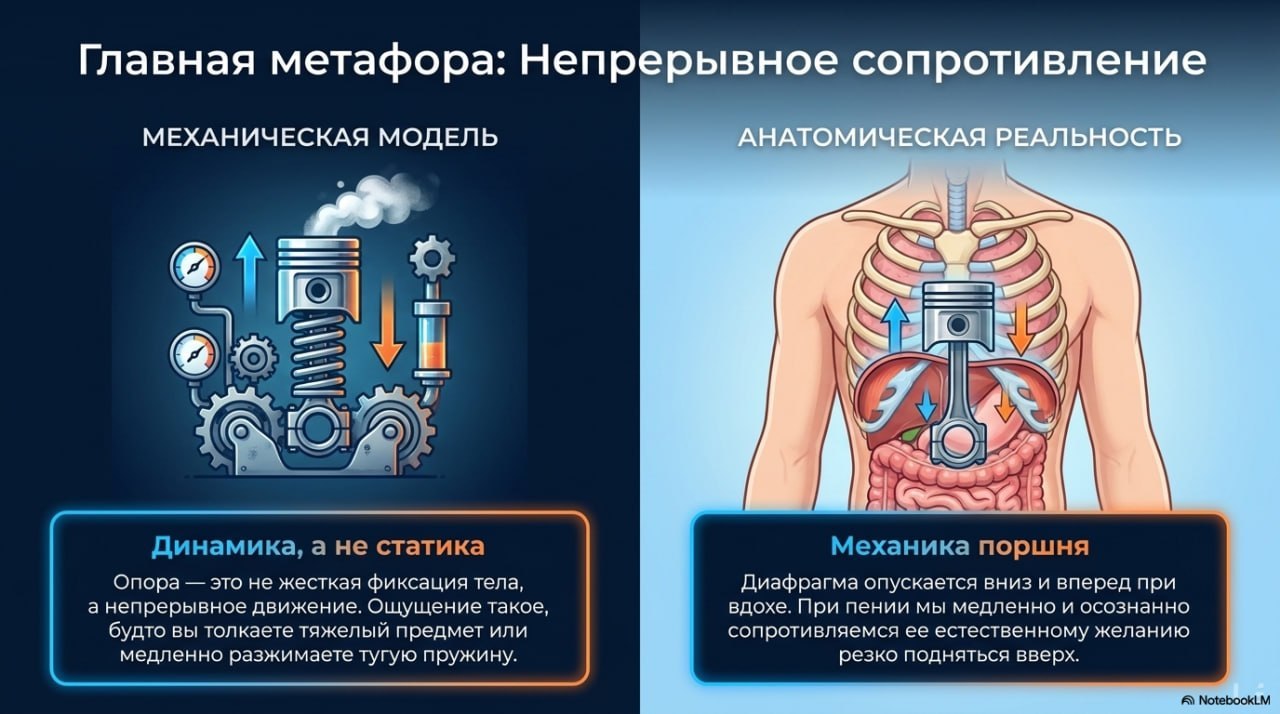
What Is Vocal Support?
article > section:nth-of-type(2){display:none}A short visual guide: vocal support is not stiffness or rigid body fixation, but continuous, …
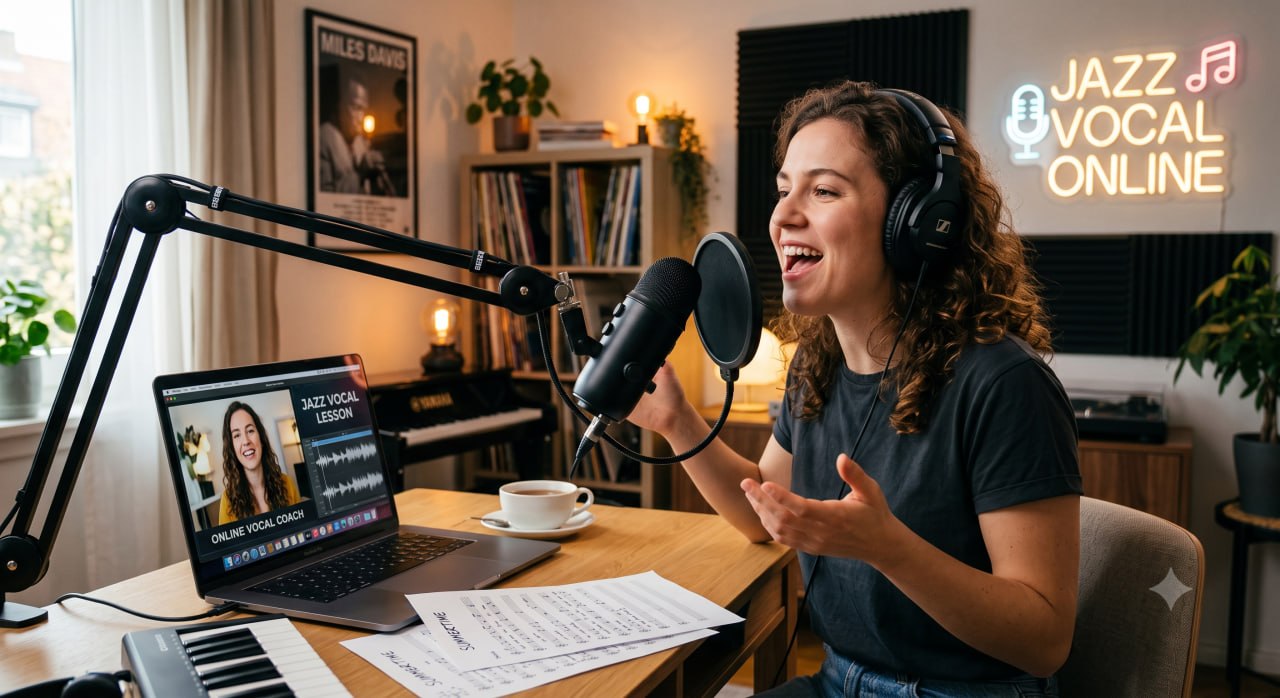
How to Learn Jazz Singing Remotely: Online Vocal Guide for Beginners
A beginner-friendly guide to learning jazz vocals online: technique, rhythm, scat, microphone work, and practice with legendary standards.
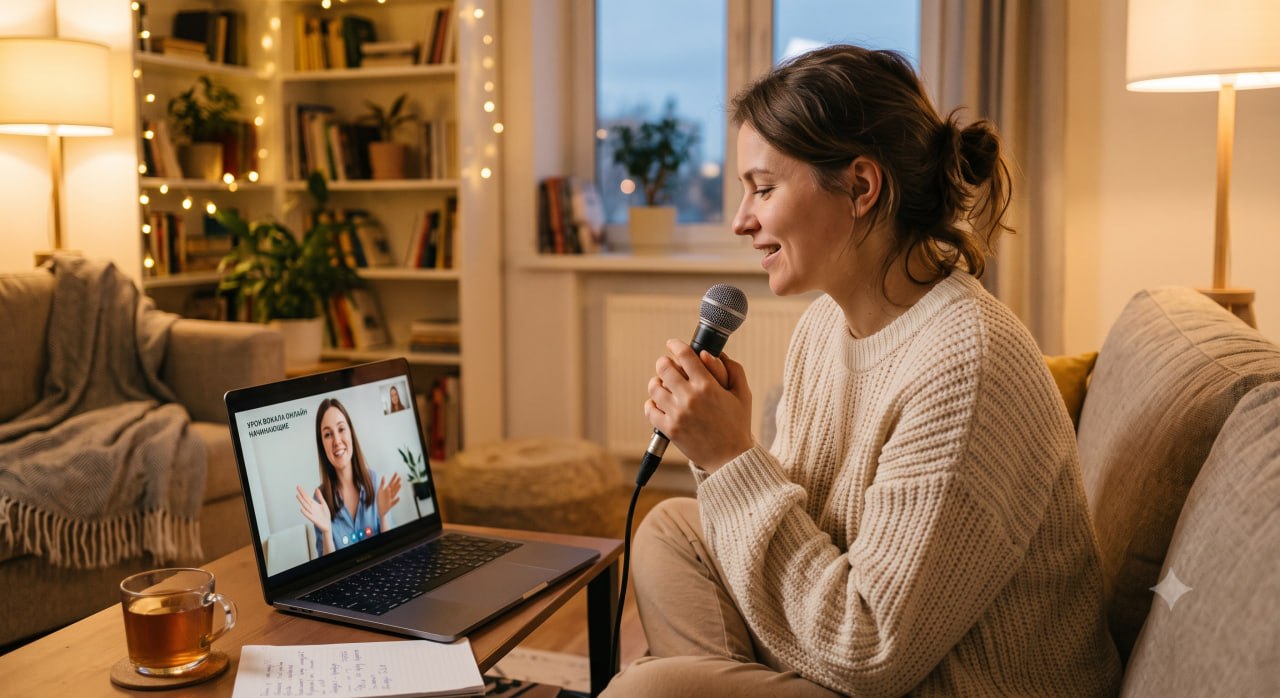
Vocal Lesson for Adult Beginners: From First Steps to Extreme Techniques
You can learn to sing at any age. For adult beginners, awareness, favorite repertoire, and a comfortable online environment often become po…