How to Sing Karaoke Without Alcohol and Relax Before Performing Sober
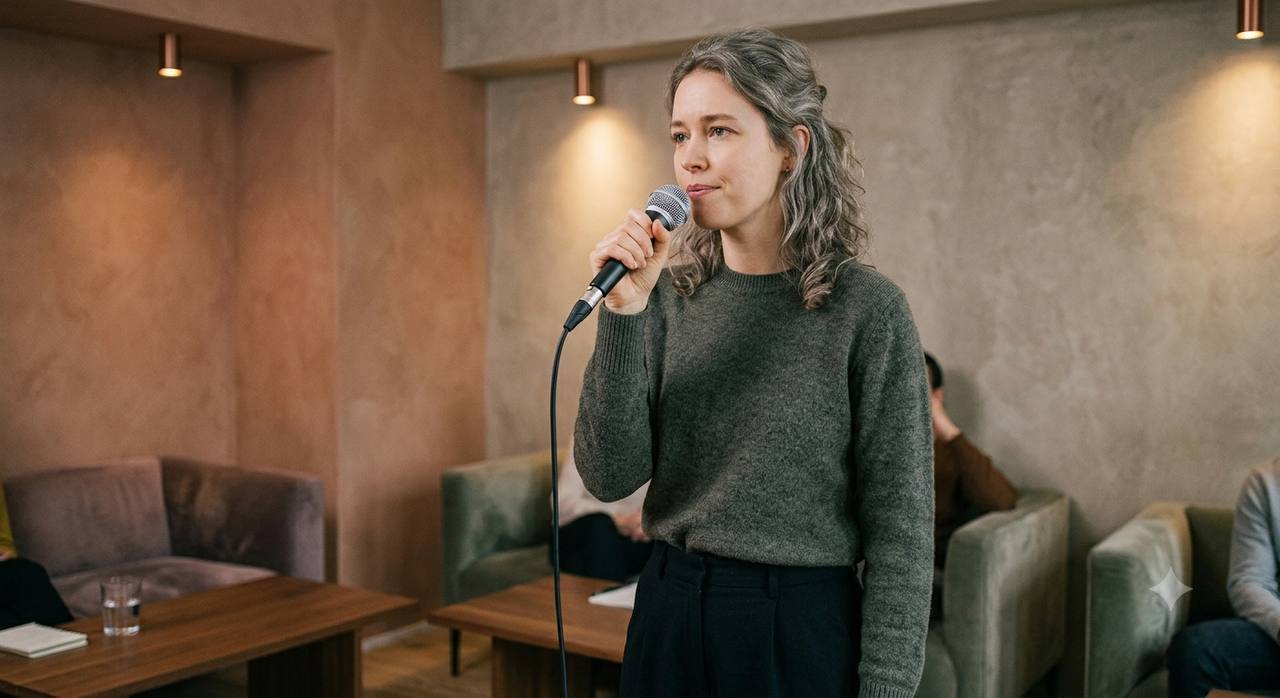
Many people say, “I can only sing after I’ve had a drink.” In karaoke, it feels easier: the voice seems freer, the fear is lower, and the body relaxes. But over time, alcohol turns into a crutch: without it, a person no longer believes they can sound confident.
If you are searching for how to sing karaoke without alcohol, how to relax before performing without drinking, or why you can only sing after alcohol — this is not about weakness. It is about anxiety and a protective strategy.
Why do I only sing after drinking?
Alcohol temporarily lowers control and the fear of being judged. A person thinks less: “What if I sing badly?”, “What if people laugh at me?”, “What if I sing out of tune?”
But the problem is that alcohol does not teach the body and voice how to handle anxiety. It simply switches the anxiety off for a while.
That is why the fear returns when you are sober.
Alcohol for courage before the stage: what is the harm?
Alcohol can create an illusion of freedom, but it is not the best helper for the voice. It can dry out the mucous membranes, reduce breath control, make pitch less accurate, and prevent you from feeling the real capabilities of your voice.
And if a person gets used to performing only after alcohol, they become dependent on an external “permission”: without it, it is scary; with it, it feels possible.
How to relax in karaoke without alcohol
Try not to start with a “big” song right away. Start with a simple task:
- choose a song you know well;
- sing the first verse calmly, not at maximum intensity;
- do not try to impress anyone;
- keep your attention not on the people around you, but on your breathing and the lyrics;
- allow yourself to sound imperfect.
Before the song, you can do a simple exercise: a long exhale, a soft “mmm” with the mouth closed, then a few light sounds in a comfortable range.
This helps the body understand: “I am not in danger, I am just singing.”
How to relax the vocal folds without alcohol before performing
You do not need to “relax” the vocal folds with alcohol. It is better to warm up the voice gently:
- calm breathing;
- the sound “mmm”;
- a light glissando up and down;
- a few short phrases from the song at a comfortable volume;
- soft articulation without clenching the jaw.
The main thing is not to start with force. The more you push, the more the body may tighten.
Fear of performing sober can be worked through
If alcohol has become a way to cope with stage fear, it is important to gradually learn to perform without it. Not by forcing yourself, but through small steps.
First, sing for yourself. Then for one close person. Then record yourself on video. Then sing in a small group. This teaches the nervous system: “I am being heard, and it is safe.”
How we work with this problem
In our program, a vocal teacher and a coach work together.
The vocal teacher helps build the voice technically: breathing, support, intonation, freedom of sound, and song preparation.
The coach helps remove dependence on “crutches”: alcohol for courage, avoidance, stage fear, shame, and anxiety about being judged.
Together, we help a person not just sing once, but gradually feel: “I can sound confident without alcohol.”
Related materials
How to Get Your Voice Back: A Step-by-Step Guide to Safe Vocal Recovery
What to do when your voice becomes hoarse or disappears: warning signs, voice rest, gentle breathing, and a cautious return to sound withou…

Singing Lessons for Adults: How to Start from Scratch and Stop Feeling Shy
Can you start vocal training as an adult? This guide addresses common beginner fears, explains how modern singing lessons work, and explore…
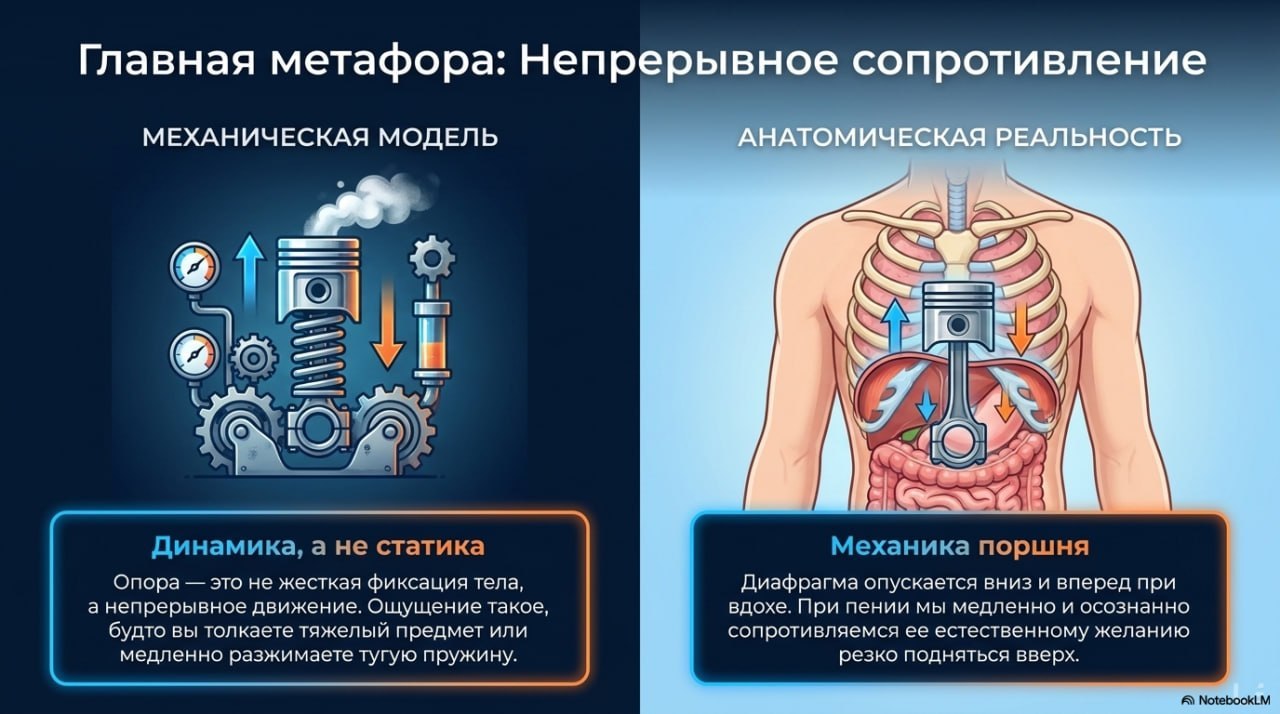
What Is Vocal Support?
article > section:nth-of-type(2){display:none}A short visual guide: vocal support is not stiffness or rigid body fixation, but continuous, …
How to Learn Jazz Singing Remotely: Online Vocal Guide for Beginners
A beginner-friendly guide to learning jazz vocals online: technique, rhythm, scat, microphone work, and practice with legendary standards.
Vocal Lesson for Adult Beginners: From First Steps to Extreme Techniques
You can learn to sing at any age. For adult beginners, awareness, favorite repertoire, and a comfortable online environment often become po…
Songs for Your First Vocal Lesson: Top 10 Beginner-Friendly Tracks
What song should you choose for your first vocal lesson? The most important thing is not difficulty or impressive high notes, but a song yo…